




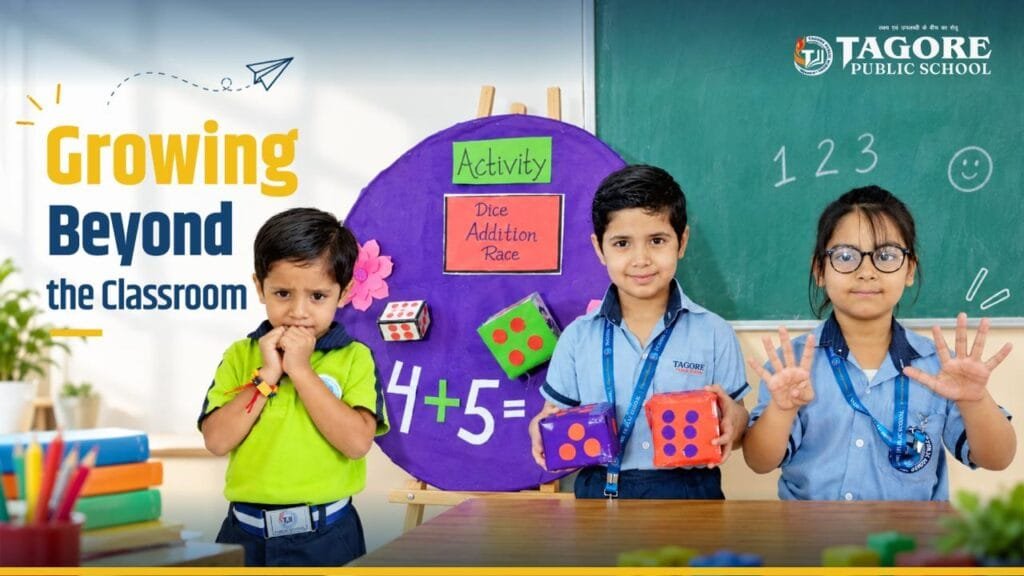
A child’s school journey is about much more than completing a syllabus or preparing for examinations. Academic learning gives students the knowledge and foundation they need, but their development also depends on opportunities to explore, create, communicate, collaborate and discover what they enjoy.
This is where enrichment activities become an important part of school life. Whether it is participating in a sport, presenting a project, performing on stage, experimenting in a laboratory, working with technology or contributing to a club, every experience can teach a child something beyond the textbook.
At Tagore Public School, Sector 50, Nirvana Country, Gurugram, we believe that meaningful education should provide students with opportunities to learn in different ways. Our approach brings academic learning together with experiential learning, project based activities, sports, creative expression, practical exposure and collaborative experiences.
Enrichment, therefore, is not an activity added simply to make the school day more interesting. It is an integral part of helping students develop the confidence, curiosity, skills and perspective they need as they grow.
What Makes Enrichment Activities Important for Students?
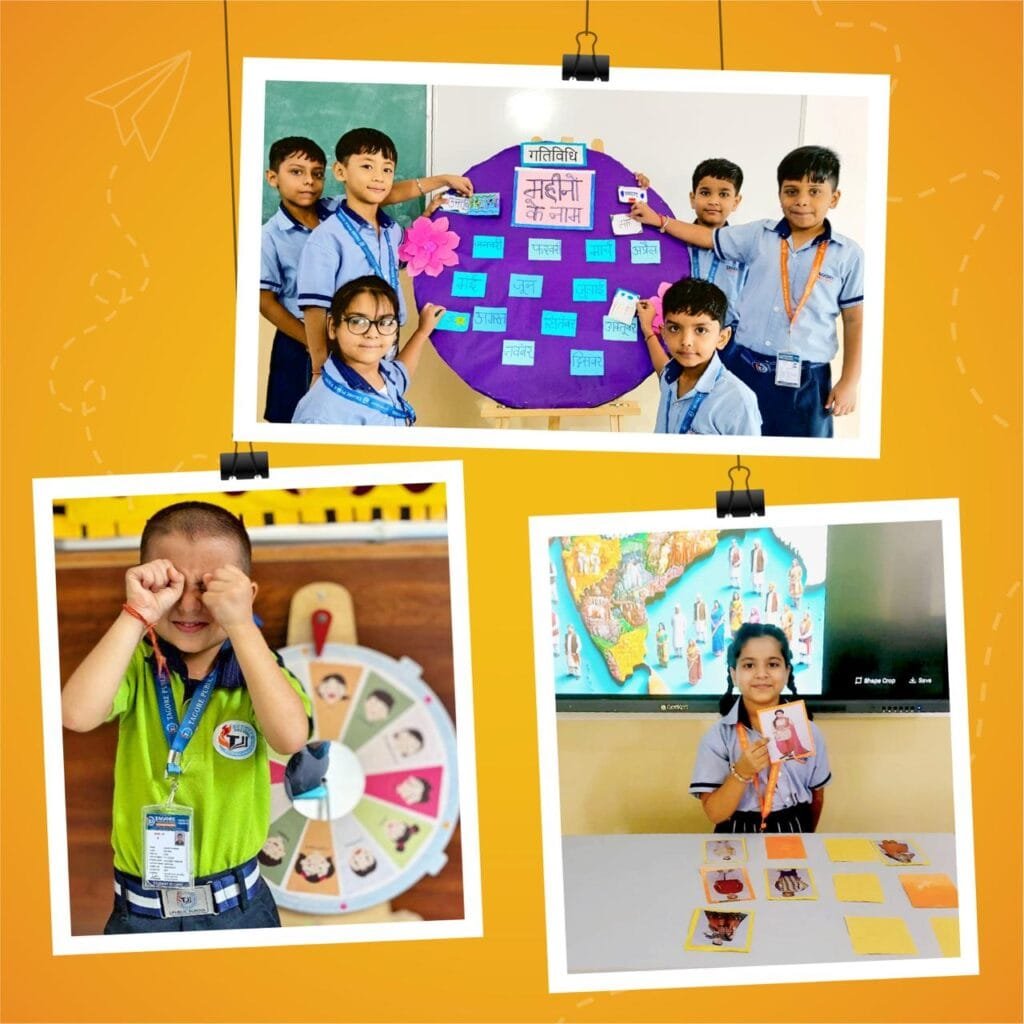
Enrichment activities give students an opportunity to participate actively in their learning. A concept discussed in a classroom can become much more meaningful when a student gets the opportunity to apply it.
For example, working with classmates on a project teaches students how to listen to different ideas, divide responsibilities and work towards a shared outcome. Presenting that project helps them organise their thoughts and communicate them confidently. Taking part in a competition teaches them to prepare, perform under pressure and respond to the outcome.
These experiences help students develop skills naturally because they are learning through action.
At Tagore Public School, this connects closely with our emphasis on experiential and project based learning. Students are encouraged to investigate concepts, engage with practical tasks and make connections between different areas of learning.
Connecting Classroom Learning With the Real World
One of the most valuable aspects of enrichment is its ability to connect academic knowledge with real experiences. When students understand where and how their learning can be applied, subjects become more meaningful.
Learning Through Project Based Experiences
Project based learning gives students the opportunity to explore a topic in greater depth instead of approaching it only through a conventional lesson.
A project around traditional pottery, for instance, can introduce students to much more than the process of shaping clay. It can open conversations around Indian craftsmanship, cultural traditions, creativity and sustainability. Students can observe, discuss, create and present, bringing several skills together through one learning experience.
Similarly, exploring the solar system through a project allows students to engage with scientific concepts while also using creativity and presentation skills to communicate their understanding.
Such experiences demonstrate the value of enrichment activities for students because they encourage children to use knowledge rather than simply remember it.
Making STEM More Practical
Technology and practical learning provide another avenue for enrichment. Robotics, for example, brings together concepts from mathematics, science, technology and logical reasoning.
When students build or programme something and encounter a problem, they have to analyse what happened, consider possible solutions and try again. The process teaches them that mistakes are part of learning and that problems can often be solved through patience and experimentation.
Practical science experiences offer a similar advantage. Working with laboratory equipment, conducting experiments and observing scientific phenomena allows students to experience concepts that they may otherwise encounter only in textbooks.
Building Confidence Through Participation
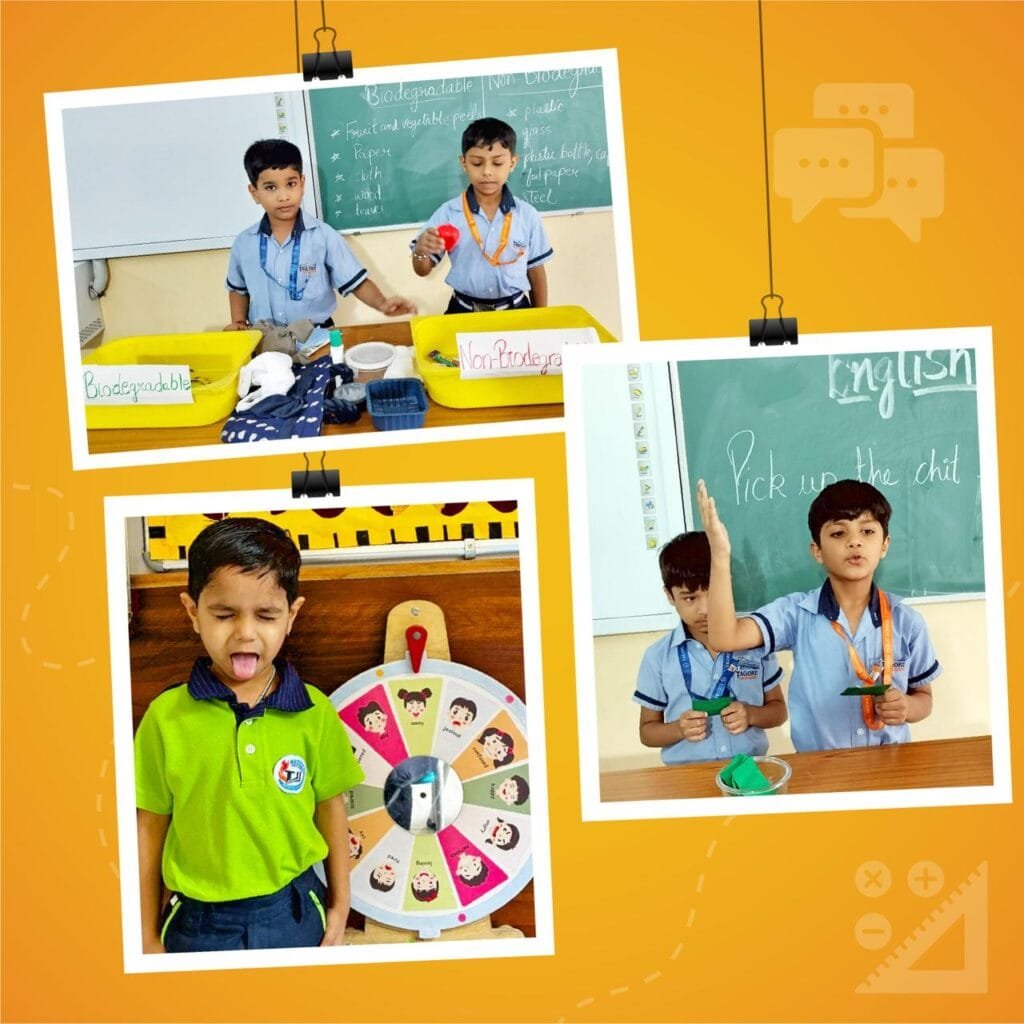
Confidence develops through opportunities to participate.
A student who is initially hesitant to speak before others may gradually become more comfortable after presenting a project, participating in a debate or performing on stage. Another student may discover confidence through sport, while someone else may find their voice through music, dance, art or theatre.
This is why schools need to create different platforms for student participation.
At Tagore Public School, students are encouraged to explore a range of activities, including sports, performing arts, creative activities, debates and clubs. The purpose is not to expect every student to excel in every area. It is to give each child opportunities to discover where they feel engaged and capable.
That discovery can be an important part of student growth and development.
Developing Communication, Collaboration and Leadership Skills
Learning to Work With Others
Enrichment activities frequently involve collaboration, making them a natural environment for developing interpersonal skills.
When students work together, they learn that people can approach the same task differently. They have to listen, communicate their own ideas, accommodate different viewpoints and take responsibility for their part of the work.
These are practical lessons that become increasingly important as students progress into higher education and eventually into professional environments.
Learning to Take Responsibility
Leadership also develops through participation. Students learn leadership when they are trusted with responsibilities and expected to contribute meaningfully.
Organising a task, coordinating a group, preparing a presentation, representing a team or taking ownership of a project can help students understand accountability and decision making.
Student clubs and societies can provide particularly valuable opportunities for this. At Tagore Public School, students have avenues to explore interests across areas such as literature, art, technology and sports, while activities such as Model United Nations can encourage public speaking, diplomacy and engagement with wider issues.
Encouraging Creativity Beyond Art
Creativity is often associated with drawing, painting or performing, but it extends much further. A creative learner is also someone who can ask questions, look at a familiar situation differently and consider more than one possible solution.
This makes creativity relevant across the school experience.
A student designing a project has to decide how best to communicate an idea. A child working with robotics has to think differently when a solution does not work. A student participating in theatre interprets a character and responds to other performers. An art activity gives children the freedom to make individual choices rather than reproduce a single expected answer.
At Tagore Public School, activity based and experiential learning provides students with opportunities to engage with ideas through different forms of expression. This variety is particularly valuable because children do not all learn or express themselves in the same way.
Supporting Physical and Personal Development
Student development also includes physical, social and personal growth.
Sports can teach discipline, perseverance, coordination and teamwork. Performing arts can encourage self expression and confidence. Group activities can help students build relationships and understand how their actions affect others. Educational experiences outside the regular classroom can expose children to new environments and perspectives.
At Tagore Public School, opportunities across sports, swimming, skating, performing arts, creative activities and educational experiences complement classroom learning and give students different ways to participate in school life.
These experiences also teach an important lesson about growth: improvement takes practice. Whether a student is learning a sporting skill, preparing for a performance or refining a project, progress comes from persistence.
Preparing Students for a Changing World
The world students will enter after school will require more than subject knowledge. They will need to communicate clearly, collaborate with others, solve unfamiliar problems, adapt to change and continue learning throughout their lives.
This is why enrichment should not be considered separate from academics.
Project work develops application and research skills. Robotics encourages logical thinking and problem solving. Sports develop perseverance and teamwork. Performing arts support communication and confidence. Clubs give students opportunities to explore interests and take responsibility.
Together, these experiences contribute to a broader form of learning that prepares students to approach new situations with greater confidence and curiosity.
Helping Students Discover Their Strengths
Every child has a different combination of interests, abilities and aspirations. Academic performance can tell us a great deal about a student’s progress, but it does not necessarily reveal every talent or interest a child may possess.
A student may discover an interest in technology through robotics. Another may develop a passion for science through practical experiments. Someone else may find that they are most comfortable expressing themselves through theatre, music, sport, art or public speaking.
Enrichment activities create the space for these discoveries.
The goal is not to make every child excel in every activity. It is to give students enough meaningful opportunities to explore, participate and understand what inspires them.
Growing Beyond the Classroom at Tagore Public School
At Tagore Public School, Sector 50, Nirvana Country, Gurugram, enrichment is part of a wider approach to education that encourages students to learn through experience, participation and exploration.
From project based learning and practical science to robotics, sports, performing arts, creative activities, clubs and educational experiences, students encounter different ways of understanding and engaging with the world around them.
The value of these experiences lies in what they help students become. A project can develop curiosity and research skills. A performance can build confidence. A team activity can teach collaboration. A sporting challenge can develop perseverance. A practical experiment can encourage students to question, investigate and find solutions.
Ultimately, holistic development of students happens when children are given opportunities to grow in more than one direction. Strong academics remain an important foundation, but students also need spaces where they can discover their interests, express their ideas, work with others and learn from challenges.
That is why enrichment activities are essential for student growth and development. They extend learning beyond the textbook and help children understand that education is not confined to the classroom. At Tagore Public School, we strive to create an environment where students can learn with curiosity, participate with confidence and grow with a sense of purpose.


