




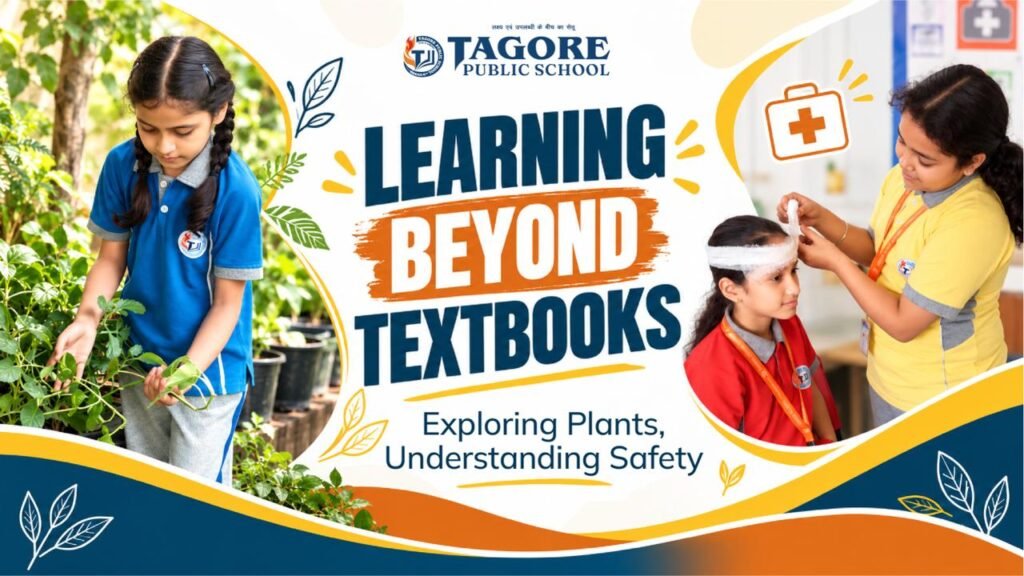
Education extends beyond textbooks, classroom explanations and examinations. Children also learn by observing their surroundings, asking questions and connecting new information with everyday experiences. Practical learning in school education provides opportunities for children to explore concepts beyond theoretical instruction and develop a better understanding of the world around them.
Environmental Studies (EVS) and Science are particularly relevant in this context because both subjects introduce children to the natural environment, living things and everyday situations. Activities such as Exploring the Wonderful World of Plants and Stay Safe demonstrate how these subjects can connect classroom learning with practical understanding.
At Tagore Public School, Sector 50, Gurugram, enrichment activities provide opportunities for students to engage with different subjects through meaningful themes. They also highlight an important aspect of school education: helping children understand not only what they learn, but how that knowledge relates to their everyday lives.
For parents exploring schools in Sector 50, Gurgaon, understanding how practical and activity-based learning complements classroom teaching can be an important part of choosing a suitable learning environment for their children.
What Is Practical Learning in School Education?
Practical learning is an approach that encourages children to engage with concepts through observation, exploration, participation and application. It complements classroom teaching by helping students connect theoretical knowledge with real-life situations.
For example, reading about plants introduces children to their characteristics and importance. Observing plants and discussing their role in the environment can make those concepts more familiar. Similarly, learning about safety becomes more relevant when children understand how safe practices apply to their daily routines.
Activity-based learning also encourages children to ask questions, share observations and participate in discussions. These experiences can support curiosity, conceptual understanding and an interest in learning.
The purpose of practical education is not to replace textbooks or classroom instruction. Instead, it provides additional ways for children to understand and apply what they learn.
Exploring the Wonderful World of Plants Through EVS
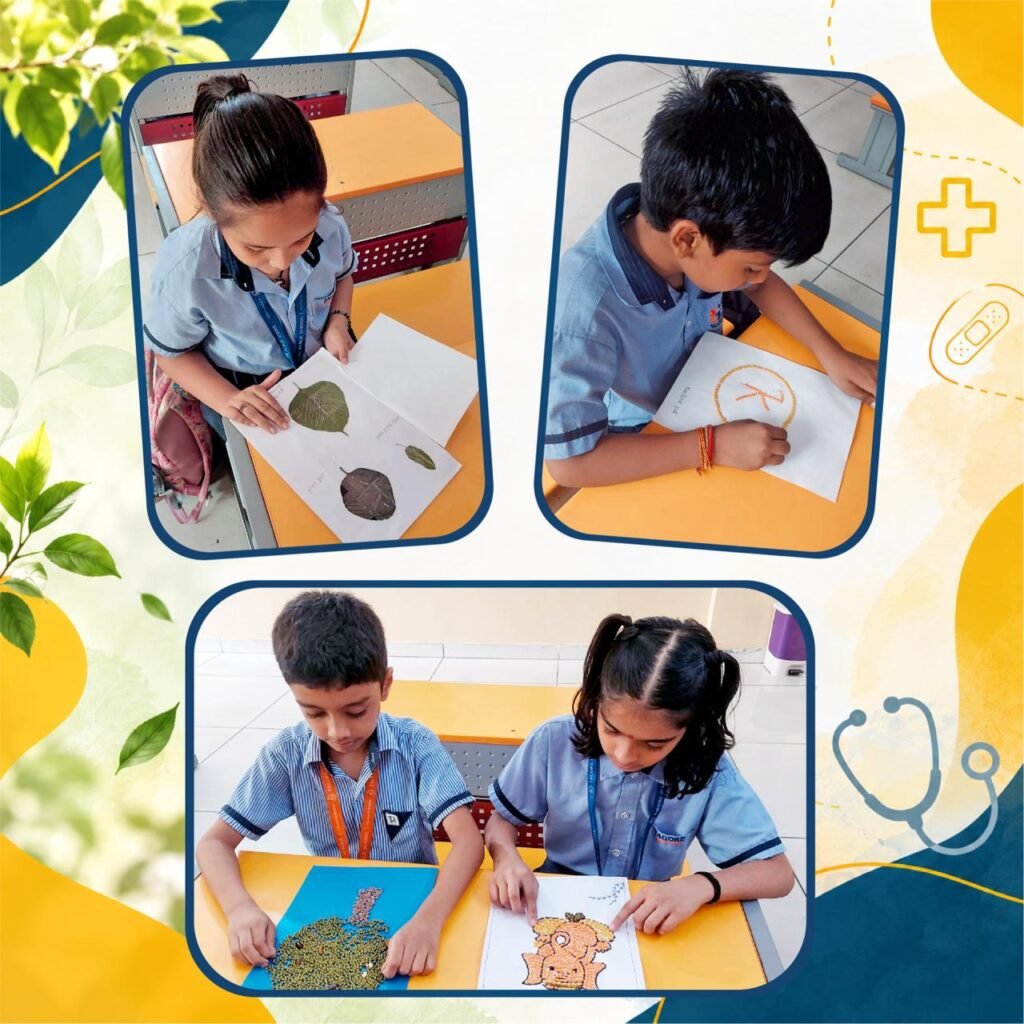
Plants are an essential part of the natural environment. They provide food, support wildlife and contribute to the balance of ecosystems. Introducing children to the plant world through Environmental Studies helps them understand their surroundings and recognise the importance of caring for nature.
The EVS enrichment activity Exploring the Wonderful World of Plants brings attention to this important area of learning. It provides a theme through which children can develop an interest in plants and their relationship with the environment.
Developing Observation Skills Through Nature
Observing plants can help children notice differences in leaves, stems, flowers and other plant features. These observations can lead to questions about how plants grow, what they need to survive and how they contribute to the environment.
Such learning experiences encourage children to look more closely at familiar things and think about what they observe. They can also provide opportunities to discuss the diversity of plant life and the conditions that support growth.
Understanding the Importance of Plants
Learning about plants introduces children to their significance in everyday life. From the food people eat to the greenery in their surroundings, plants are closely connected with daily experiences.
Discussions about plant life can help children develop an appreciation for nature and understand why environmental care matters. These early experiences provide a foundation for learning about biodiversity, natural resources and environmental responsibility as they progress through school.
At Tagore Public School, Gurugram, the activity highlights how an EVS topic can provide a starting point for meaningful conversations about the natural world. It also illustrates the role of enrichment activities in complementing classroom learning.
Stay Safe: Connecting Science with Everyday Life
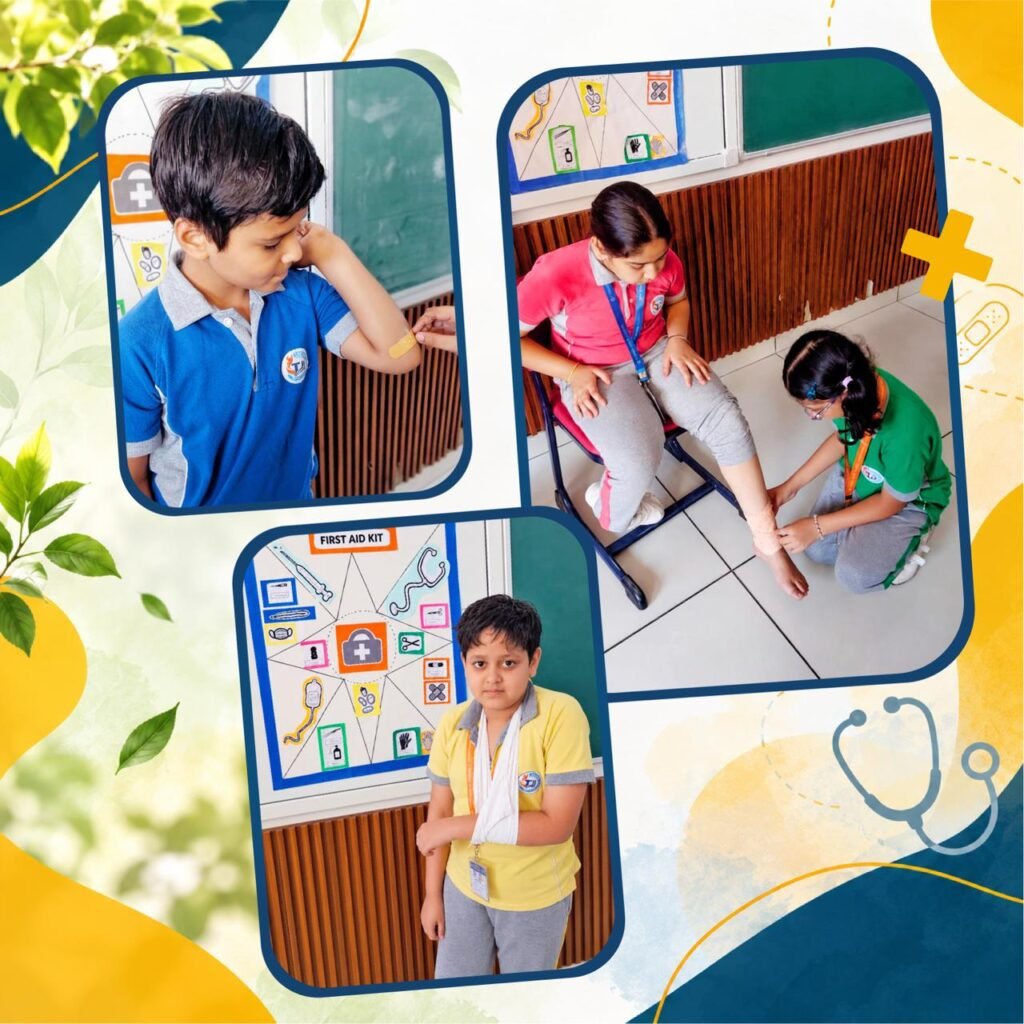
Science helps children understand the world around them, including the situations they encounter in everyday life. Alongside scientific concepts, age-appropriate learning experiences can introduce important ideas about awareness, precautions and responsible behaviour.
The Science enrichment activity Stay Safe focuses on an essential aspect of children’s everyday experiences: understanding the importance of safety.
Building Awareness of Everyday Safety
Children encounter different situations at home, in school and while playing. Learning about safety can help them understand why precautions matter, why instructions should be followed and when they should seek help from a trusted adult.
Discussing everyday examples can make safety-related concepts easier to understand. It can also encourage children to think about their surroundings and recognise the importance of responsible choices.
Making Science Relevant Beyond the Classroom
Science becomes more relatable when children can connect what they learn with familiar situations. Safety awareness offers one such connection, showing how knowledge can have practical relevance beyond academic lessons.
Through activities such as Stay Safe, students have an opportunity to engage with an important everyday topic as part of their learning experience. The activity also demonstrates how Science enrichment can address concepts that are relevant to children’s daily lives.
How Activity-Based Learning Supports Children's Development
Activity-based learning provides children with additional opportunities to engage with subjects, explore ideas and connect concepts with their experiences. When planned appropriately for their age and learning needs, such activities can support several aspects of development.
Encouraging Curiosity and Questioning
Children often learn by asking questions about what they see and experience. Practical activities can encourage this natural curiosity by giving them a subject to observe, discuss and explore.
Whether learning about plants or understanding safety, children can develop the habit of seeking explanations and thinking about the information presented to them
Connecting Concepts with Real-Life Experiences
Connecting classroom topics with everyday situations can help children understand why a subject matters. Plant-related learning makes environmental concepts more familiar, while safety education demonstrates the relevance of awareness and precautions in daily life.
These connections complement theoretical instruction and provide additional context for learning.
Developing Awareness and Responsibility
Learning about the natural environment can encourage children to appreciate living things and understand the importance of caring for their surroundings. Safety-related activities can introduce the importance of following precautions and making responsible choices.
Such learning experiences can contribute to children’s gradual understanding of their responsibilities towards themselves and the world around them.
Supporting Meaningful Classroom Participation
Practical activities can provide opportunities for children to observe, discuss ideas and participate in the learning process. These experiences complement reading, explanations and written exercises, allowing students to engage with concepts in different ways.
The combination of classroom teaching and enrichment activities can help create a varied learning experience that supports children’s engagement with different subjects.
What Should Parents Consider When Choosing a School in Gurugram?
Choosing a school involves considering several factors, including teaching methods, academic expectations, student support and opportunities for overall development. Parents looking for a school in Sector 50, Gurugram, may also want to understand how classroom learning is complemented by practical activities and enrichment programmes.
When comparing schools near Nirvana Country and other residential areas of Gurugram, parents can consider the following aspects:
- Teaching approach: Understand how teachers explain concepts and encourage children to participate in classroom learning.
- Practical experiences: Ask how subjects such as EVS and Science are supported through activities, projects, experiments or observation-based learning.
- Conceptual understanding: Consider how the school helps students connect what they learn with real-life situations.
- Student development: Explore opportunities for children to develop curiosity, communication, awareness and independent thinking.
- Learning environment: Understand how teachers guide students, support their questions and encourage participation at different stages of education.
At Tagore Public School, Sector 50, Gurugram, enrichment activities such as Exploring the Wonderful World of Plants and Stay Safe provide examples of EVS and Science themes being addressed beyond routine textbook learning.
For parents researching schools near Nirvana Country or looking for a school in Sector 50 Gurgaon, understanding a school’s approach to everyday learning can provide a useful perspective when making an informed decision.
Admissions Open for the Academic Session 2027-28 at Tagore Public School
A child’s school experience involves more than learning facts and completing assignments. It also includes developing curiosity, understanding the environment and learning how classroom concepts relate to everyday life.
The EVS enrichment activity Exploring the Wonderful World of Plants and the Science activity Stay Safe illustrate two relevant areas of learning: environmental awareness and everyday safety. Both provide opportunities to explore how school subjects can connect with experiences beyond the classroom.
As families begin considering school options for the next academic session, understanding a school’s approach to teaching, enrichment activities and student development can help them make a more informed decision.
Admissions are open for the academic session 2027-28 at Tagore Public School, Sector 50, Gurugram. Parents interested in learning more about the school’s educational approach and admission process can visit the official website or contact the school for further information.
Frequently Asked Questions
Practical learning helps children engage with concepts through observation, activities, exploration and real-life applications. It complements classroom instruction and can support a clearer understanding of different subjects.
Activity-based learning encourages children to participate, ask questions and connect theoretical concepts with familiar experiences. It provides additional opportunities to explore subjects and develop curiosity.
Environmental Studies introduces children to plants, living things and their surroundings. Plant-related activities can encourage observation, an appreciation of nature and awareness of the importance of environmental care.
Safety awareness helps children understand the importance of precautions, following appropriate instructions and seeking guidance when needed. Age-appropriate learning can help them recognise how these principles apply to everyday situations.
Tagore Public School is located on Nirvana Country Road in Sector 50, Gurugram, Haryana. Parents looking for schools in Sector 50 Gurgaon can contact the school to learn more about its educational programmes and facilities.
Admissions are open for the 2027-28 academic session at Tagore Public School, Sector 50, Gurugram. Parents can visit the school’s official website or contact the admissions team for details about the process and eligibility requirements.


