




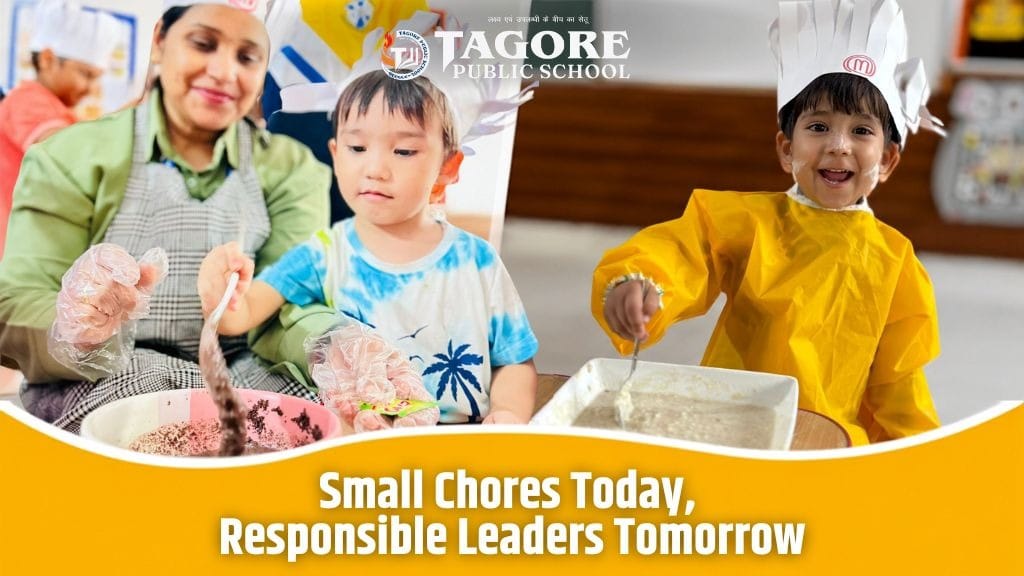
Summer break is often a welcome change for both children and parents. The busy school routine gives way to relaxed mornings, family time, and the freedom to enjoy a well deserved holiday. Yet, once the excitement of the vacation settles, many parents notice a familiar pattern. Children gradually spend more time on screens, routines become less structured, and the days seem to pass without much purpose.
While vacations are meant for relaxation, they can also become one of the most valuable learning periods in a child’s life. The weeks away from school provide an opportunity to develop qualities that are not always taught through textbooks but are equally important for lifelong success. Responsibility is one such quality.
Parents often search for meaningful summer vacation activities for children that keep them engaged while supporting their overall development. The answer does not always lie in camps or structured classes. Sometimes, the most valuable learning happens through simple responsibilities that become part of everyday family life.
At Tagore Public School, Sector 50, Nirvana Country, Gurugram, we believe education extends beyond the classroom. Academic excellence goes hand in hand with character building, emotional intelligence, discipline, and compassion. These values are nurtured not only in school but also through everyday experiences at home. Summer break gives parents the perfect opportunity to help children develop these qualities through simple daily chores that encourage independence and accountability.
For families living in Sector 50, Nirvana Country, and nearby areas of Gurugram, these everyday responsibilities can become meaningful learning experiences that prepare children for both the upcoming academic session and everyday life.
Why Summer Break is the Ideal Time to Build Responsibility
During the academic year, children follow a structured schedule filled with classes, homework, extracurricular activities, and examinations. Summer vacation creates the time and flexibility needed to focus on life skills that often receive less attention during the school term.
Introducing daily responsibilities during this period allows children to learn without feeling pressured. Whether it is watering plants before breakfast, arranging their study desk, feeding a pet, helping prepare the dining table, or organising their books, these simple routines help children understand that every member of a family has an important role to play.
Responsibility is not developed through lectures. It grows through consistent actions and everyday experiences. As children begin completing small tasks on their own, they develop initiative, ownership, and a sense of accomplishment. These qualities often become visible in the classroom as well, where students demonstrate better organisation, improved time management, and greater confidence in handling academic responsibilities.
Children who are encouraged to contribute at home also begin to appreciate the value of teamwork and mutual respect. They realise that every small effort matters, whether it is helping a parent prepare dinner or arranging their own belongings after playtime. These lessons prepare them not only for school but also for life.
Daily Chores Teach Life Skills That Last Beyond Childhood
Household responsibilities are often seen as simple tasks, but they play a significant role in shaping a child’s personality. Every chore introduces children to practical life lessons that support their emotional, social, and intellectual development.
Helping organise a bookshelf teaches planning and organisation. Preparing a healthy snack with a parent encourages decision-making and problem-solving. Watering plants develops patience and consistency, while caring for a family pet nurtures empathy and compassion. Creating a grocery checklist introduces children to observation and planning, and arranging school stationery before the new academic session encourages preparedness and self-discipline.
How Everyday Tasks Shape Essential Skills
As children become familiar with these responsibilities, they begin to understand that every action has an impact. Completing tasks regularly helps them develop accountability and reliability while strengthening their ability to solve problems independently.
These experiences also improve communication and teamwork. When children participate in family activities such as preparing meals, organising common spaces, or helping grandparents with simple household tasks, they learn to cooperate, listen, and contribute positively. Over time, they begin taking ownership of their responsibilities rather than waiting for reminders.
More importantly, these small achievements build confidence. Children experience the satisfaction of completing meaningful tasks, making them more willing to embrace new challenges both at home and in school.
The habits developed through these everyday activities often become the building blocks of resilience. They teach children that consistency, patience, and effort are just as important as academic success, helping them become capable individuals who approach challenges with a positive mindset.
The Parent's Role in Making Chores Meaningful
Parents play the most influential role in shaping children’s attitudes towards responsibility. The way a task is introduced often determines whether a child sees it as an opportunity or as a burden.
Instead of assigning chores as obligations, parents can explain how each activity contributes to the well-being of the family. Arranging a study table, for example, is not only about keeping a room tidy. It creates an organised learning space that supports better concentration and productivity. Similarly, helping prepare dinner teaches planning, cooperation, and appreciation for the effort involved in everyday routines.
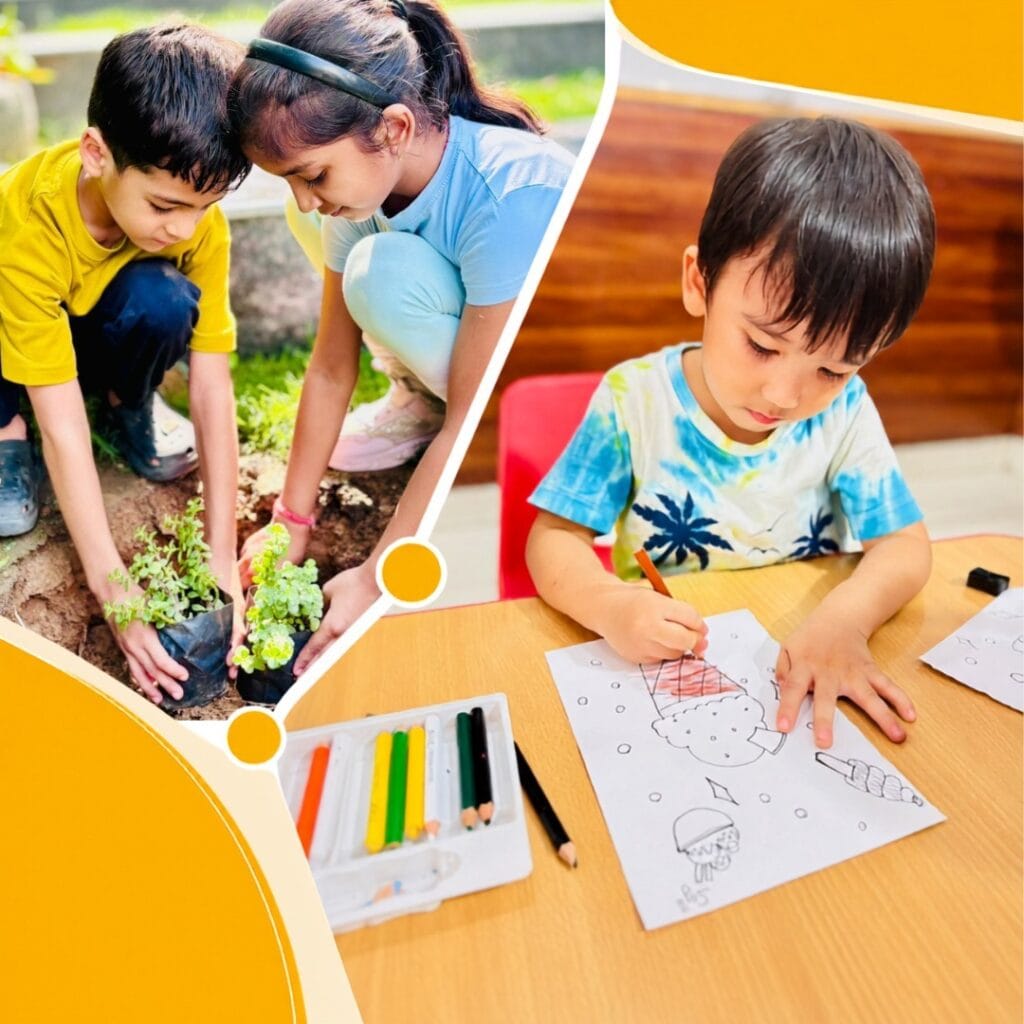
Completing household activities together also strengthens family relationships. Conversations during cooking, gardening, organising cupboards, planning weekly shopping, or arranging bookshelves create valuable opportunities for children to ask questions, share ideas, and develop confidence in expressing themselves.
Encouragement Creates Lasting Habits
Positive reinforcement is one of the most effective ways to build responsibility. Rather than focusing on perfection, parents should recognise consistent effort and celebrate small achievements. A simple word of appreciation encourages children to continue contributing and gradually take greater initiative.
When children feel trusted and valued, responsibility becomes a habit rather than a task. They begin to understand that helping at home is not about completing chores because they have been told to do so. It is about becoming dependable, considerate, and responsible members of the family.
Choosing Responsibilities According to Age
Every child develops at their own pace, so responsibilities should be introduced gradually and according to their age and abilities. The objective is not to assign more work but to help children experience the joy of contributing while building confidence through small achievements.
Younger children can begin by arranging their toys after playtime, placing clothes in the laundry basket, watering indoor plants, or helping set the dining table. These simple activities introduce routine while developing coordination and responsibility.
Primary school students can take on slightly more independent tasks such as making their beds, organising their school bags, arranging their books, or preparing a simple healthy snack with adult supervision. These everyday activities encourage self-management and help children become more organised in their daily lives.
Learning Beyond the Classroom
At Tagore Public School, Sector 50, Nirvana Country, Gurugram, education is viewed as a journey that extends far beyond classroom walls. Summer Camp 2026 reflects this philosophy by creating an environment where learning happens through exploration, creativity, movement, and meaningful experiences.
From mindful yoga sessions and colourful art activities to imaginative theatre workshops and hands-on creative projects, every experience contributes to a child’s intellectual, emotional, social, and physical development. The camp allows students to remain active learners while enjoying the freedom and excitement of summer.
Growing Responsibilities Build Growing Confidence
As children move into higher classes, they are ready to take on greater responsibility. They can help create a grocery shopping checklist, organise family bookshelves, assist younger siblings with reading, prepare their school stationery for the upcoming academic session, or participate in planning family meals.
Allowing children to make small decisions during these activities also strengthens their confidence and decision-making skills. They begin to understand that responsibility is not about following instructions but about taking initiative and contributing meaningfully to the people around them.
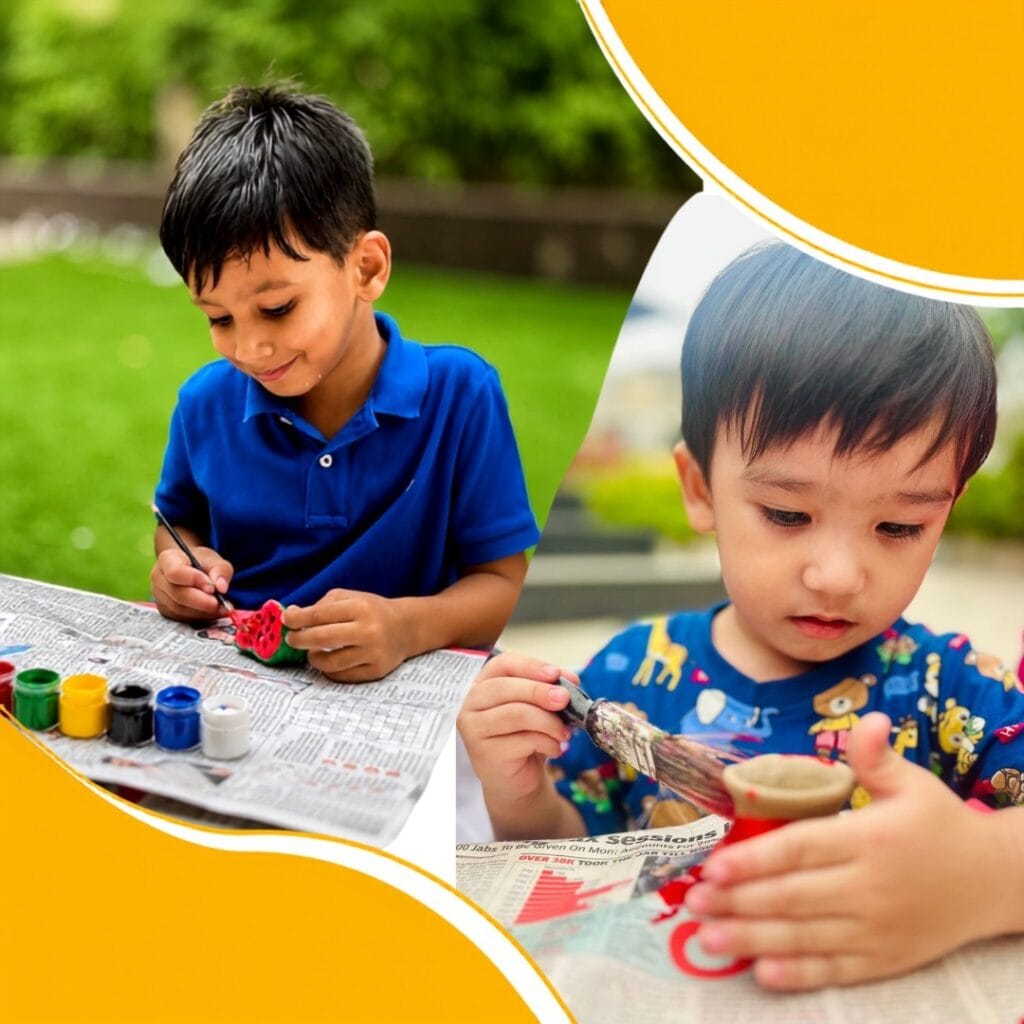
By matching responsibilities with a child’s age and maturity, parents create an environment where learning feels natural, enjoyable, and rewarding.
Balancing Responsibility with Relaxation
Summer vacation should always remain a time for enjoyment, creativity, and relaxation. Children deserve the opportunity to explore new hobbies, spend time outdoors, read books, visit family, and simply enjoy being children. The goal is not to create another school timetable at home but to establish a balanced routine that combines learning with leisure.
A few meaningful responsibilities each day are enough to develop valuable habits without making children feel overwhelmed. Completing a simple household task in the morning leaves plenty of time for sports, art, music, storytelling, gardening, or family outings during the rest of the day.
Turning Everyday Moments into Learning Opportunities
Parents can also make daily chores enjoyable by connecting them with learning experiences. Organising books can lead to a family reading session. Preparing fruit salad together becomes an opportunity to discuss healthy eating habits. Watering plants encourages conversations about nature and environmental care, while helping prepare a shopping list introduces basic planning and budgeting skills.
When learning becomes part of everyday family life, children are more likely to remain curious, engaged, and motivated. These practical experiences often leave a stronger impression than formal lessons because they are connected to real-life situations.
When Parents and Schools Work Together, Children Thrive
A child’s overall development is strongest when parents and educators work together with a shared vision. While schools provide academic knowledge, homes play an equally important role in nurturing values such as responsibility, kindness, respect, empathy, and self-discipline.
At Tagore Public School, Sector 50, Nirvana Country, Gurugram, we believe that learning continues beyond the classroom. Summer vacation offers families an excellent opportunity to reinforce the same values that children experience during the school year. Everyday responsibilities at home complement classroom learning by helping children become more organised, dependable, and confident individuals.
Extending Learning Beyond the Classroom
The habits children develop during summer often become visible when they return to school. Students who learn to organise their belongings at home are more likely to manage their classroom materials effectively. Those who practise consistency through daily routines often demonstrate better time management, greater accountability, and increased participation in school activities.
This partnership between school and home creates a strong foundation for holistic education. By encouraging responsibility in everyday life, parents help children return to the new academic session with confidence, discipline, and a positive attitude towards learning.
Building Responsible Citizens One Small Step at a Time
Summer break is much more than a pause from academics. It is an opportunity to nurture qualities that shape a child’s future. Every small responsibility, whether it is organising a room, caring for a plant, preparing a simple meal, helping a sibling, or supporting parents with everyday tasks, contributes to building confidence, accountability, resilience, and empathy.
At Tagore Public School, Sector 50, Nirvana Country, Gurugram, we believe meaningful education goes beyond textbooks. It is reflected in the values children practise every day, both inside and outside the classroom. When parents and schools work together, children develop habits that prepare them not only for academic success but also for life.
This summer, encourage your child to take on small responsibilities with enthusiasm and consistency. The lessons learned through everyday chores today will become the foundation for responsible decision-making, stronger character, and lifelong confidence tomorrow.


