



The Importance of Practical Learning in School Education: Exploring Plants and Understanding Safety
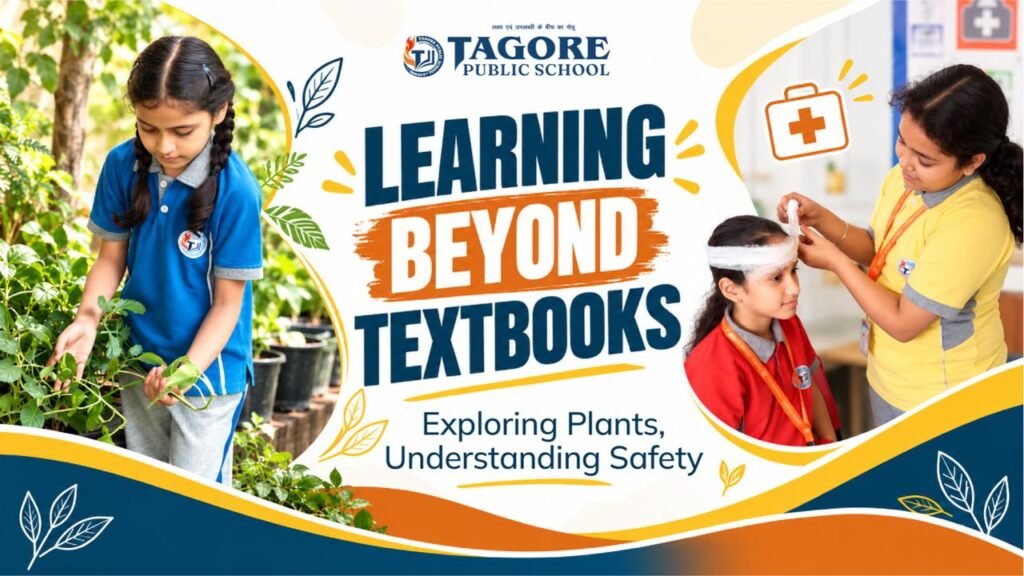
Education extends beyond textbooks, classroom explanations and examinations. Children also learn by observing their surroundings, asking questions and connecting new information with everyday experiences. Practical learning in school education provides opportunities for children to explore concepts beyond theoretical instruction and develop a better understanding of the world around them. Environmental Studies (EVS) and Science are particularly relevant in this context because both subjects introduce children to the natural environment, living things and everyday situations. Activities such as Exploring the Wonderful World of Plants and Stay Safe demonstrate how these subjects can connect classroom learning with practical understanding. At Tagore Public School, Sector 50, Gurugram, enrichment activities provide opportunities for students to engage with different subjects through meaningful themes. They also highlight an important aspect of school education: helping children understand not only what they learn, but how that knowledge relates to their everyday lives. For parents exploring schools in Sector 50, Gurgaon, understanding how practical and activity-based learning complements classroom teaching can be an important part of choosing a suitable learning environment for their children. What Is Practical Learning in School Education? Practical learning is an approach that encourages children to engage with concepts through observation, exploration, participation and application. It complements classroom teaching by helping students connect theoretical knowledge with real-life situations. For example, reading about plants introduces children to their characteristics and importance. Observing plants and discussing their role in the environment can make those concepts more familiar. Similarly, learning about safety becomes more relevant when children understand how safe practices apply to their daily routines. Activity-based learning also encourages children to ask questions, share observations and participate in discussions. These experiences can support curiosity, conceptual understanding and an interest in learning. The purpose of practical education is not to replace textbooks or classroom instruction. Instead, it provides additional ways for children to understand and apply what they learn. Exploring the Wonderful World of Plants Through EVS Plants are an essential part of the natural environment. They provide food, support wildlife and contribute to the balance of ecosystems. Introducing children to the plant world through Environmental Studies helps them understand their surroundings and recognise the importance of caring for nature. The EVS enrichment activity Exploring the Wonderful World of Plants brings attention to this important area of learning. It provides a theme through which children can develop an interest in plants and their relationship with the environment. Developing Observation Skills Through Nature Observing plants can help children notice differences in leaves, stems, flowers and other plant features. These observations can lead to questions about how plants grow, what they need to survive and how they contribute to the environment. Such learning experiences encourage children to look more closely at familiar things and think about what they observe. They can also provide opportunities to discuss the diversity of plant life and the conditions that support growth. Understanding the Importance of Plants Learning about plants introduces children to their significance in everyday life. From the food people eat to the greenery in their surroundings, plants are closely connected with daily experiences. Discussions about plant life can help children develop an appreciation for nature and understand why environmental care matters. These early experiences provide a foundation for learning about biodiversity, natural resources and environmental responsibility as they progress through school. At Tagore Public School, Gurugram, the activity highlights how an EVS topic can provide a starting point for meaningful conversations about the natural world. It also illustrates the role of enrichment activities in complementing classroom learning. Stay Safe: Connecting Science with Everyday Life Science helps children understand the world around them, including the situations they encounter in everyday life. Alongside scientific concepts, age-appropriate learning experiences can introduce important ideas about awareness, precautions and responsible behaviour. The Science enrichment activity Stay Safe focuses on an essential aspect of children’s everyday experiences: understanding the importance of safety. Building Awareness of Everyday Safety Children encounter different situations at home, in school and while playing. Learning about safety can help them understand why precautions matter, why instructions should be followed and when they should seek help from a trusted adult. Discussing everyday examples can make safety-related concepts easier to understand. It can also encourage children to think about their surroundings and recognise the importance of responsible choices. Making Science Relevant Beyond the Classroom Science becomes more relatable when children can connect what they learn with familiar situations. Safety awareness offers one such connection, showing how knowledge can have practical relevance beyond academic lessons. Through activities such as Stay Safe, students have an opportunity to engage with an important everyday topic as part of their learning experience. The activity also demonstrates how Science enrichment can address concepts that are relevant to children’s daily lives. How Activity-Based Learning Supports Children’s Development Activity-based learning provides children with additional opportunities to engage with subjects, explore ideas and connect concepts with their experiences. When planned appropriately for their age and learning needs, such activities can support several aspects of development. Encouraging Curiosity and Questioning Children often learn by asking questions about what they see and experience. Practical activities can encourage this natural curiosity by giving them a subject to observe, discuss and explore. Whether learning about plants or understanding safety, children can develop the habit of seeking explanations and thinking about the information presented to them Connecting Concepts with Real-Life Experiences Connecting classroom topics with everyday situations can help children understand why a subject matters. Plant-related learning makes environmental concepts more familiar, while safety education demonstrates the relevance of awareness and precautions in daily life. These connections complement theoretical instruction and provide additional context for learning. Developing Awareness and Responsibility Learning about the natural environment can encourage children to appreciate living things and understand the importance of caring for their surroundings. Safety-related activities can introduce the importance of following precautions and making responsible choices. Such learning experiences can contribute to children’s gradual understanding of their responsibilities towards themselves and the world around them. Supporting Meaningful Classroom Participation Practical activities
Road Safety Education: Building Awareness and Responsible Citizenship
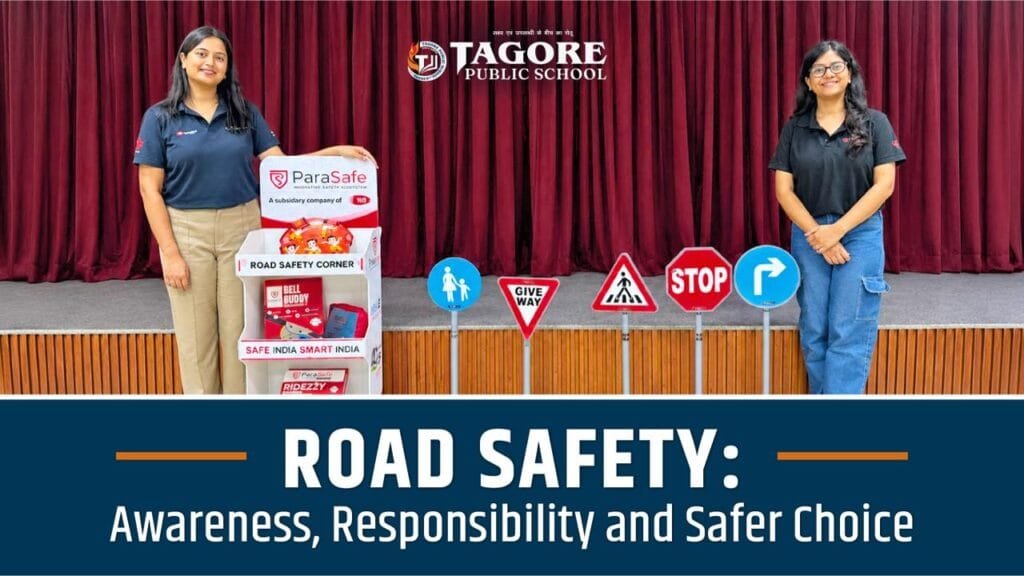
Road safety is an essential aspect of civic awareness and responsible citizenship. For students, understanding how to navigate roads safely involves much more than knowing traffic signals and road signs. It requires an appreciation of road discipline, awareness of one’s surroundings, and an understanding of how individual conduct contributes to the safety of others. At Tagore Public School, Sector 50, Nirvana Country, Gurugram, education extends beyond academic learning to include experiences that prepare students for the responsibilities of everyday life. Road safety education is one such area, offering students an opportunity to understand a subject that directly influences their daily experiences as pedestrians, passengers, and future road users. Through a dedicated Road Safety Awareness Workshop conducted by GoSharpener in collaboration with ParaSafe, students were guided through essential aspects of road safety, including traffic regulations, road signs, safe pedestrian practices and responsible behaviour on the road. The session incorporated discussion, activity-based learning, and creative engagement to make these concepts relevant and meaningful. Go Sharpener Workshop- Road Safe… Why Is Road Safety Education Important for Students? Roads are shared spaces where pedestrians, cyclists, passengers and motorists interact continuously. Safe movement within such an environment depends on awareness, discipline and adherence to established regulations. For students, road safety education provides an early understanding of this shared responsibility. It helps them recognise that traffic rules are not merely statutory requirements, but systems designed to create order and minimise risk. At Tagore Public School, the emphasis is on helping students understand the rationale behind safe road practices. When students understand why a particular behaviour is necessary, they are better positioned to apply that knowledge independently across different situations. This perspective also makes road safety relevant as a life skill. The awareness developed as a pedestrian or passenger today contributes to the responsible decision-making expected of future road users. Why Should Students Understand Traffic Rules? An informed approach to road safety begins with understanding the basic principles governing road use. Students are guided to understand essential traffic rules and consider how these rules influence the movement and safety of everyone on the road. Particular attention is given to pedestrian safety, including the appropriate use of zebra crossings and footpaths, adherence to traffic signals, and the importance of wearing helmets. The Stop, Look and Think principle is also reinforced as a practical framework for making considered decisions in road environments. Go Sharpner Workshop-Road Safe. Such learning is valuable because road safety cannot be reduced to memorising regulations. It requires individuals to remain attentive, assess their surroundings, and respond appropriately. Developing this awareness early can contribute to more responsible road behaviour over time. Why Should Students Learn About Road Signs? Road signs form an essential communication system on roads. They provide warnings, instructions and information that enable road users to anticipate conditions and respond accordingly. As part of the road safety workshop, students were introduced to warning, mandatory, and informational road signs, helping them understand the different purposes these signs serve. The session also familiarised students with the Ministry of Road Transport and Highways, or MoRTH, and its role in promoting road safety. Go Sharpener Workshop- Road Safe… For students, recognising the meaning behind these signs is an important step towards becoming more observant road users. It encourages them to pay attention to the environment around them rather than treating road travel as a routine activity. Understanding road signs also reinforces an important principle of road safety: effective communication on the road depends on road users being attentive to the information provided around them. From Awareness to Responsible Behaviour Effective road safety education must ultimately translate into responsible conduct. Knowledge has value when it influences decisions, particularly in situations where attentiveness and judgement are essential. Students are encouraged to understand how everyday practices contribute to safer roads. Following traffic signals, using designated pedestrian spaces, wearing appropriate protective equipment and remaining alert are behaviours that contribute to a safer road environment. The Stop, Look and Think approach further reinforces the importance of pausing, observing the surroundings and making a considered decision before proceeding. Go Sharpener Workshop- Road Safe… This approach reflects a broader understanding of citizenship. Responsibility is expressed not only through formal civic participation, but also through everyday decisions that demonstrate consideration for the safety and wellbeing of others. For a school, creating this understanding among students is an important part of preparing them for life beyond the classroom. Making Road Safety Learning Relevant Through Participation The effectiveness of awareness programmes often depends on how actively participants engage with the subject. The Road Safety Awareness Workshop incorporated activities that encouraged students to process, recall, and apply the information being discussed. A road safety crossword provided an opportunity to engage with key concepts, while a Rapid Fire Round encouraged students to respond to questions and demonstrate their understanding of road safety principles. Go Sharpner Workshop–Road Safe… Go Sharpner Workshop–Road Safe… Such activities serve an important educational purpose. They shift the learning experience from passive information consumption towards participation and reflection. Students are encouraged to recall information, interpret it, and articulate their understanding, making the subject more relevant to their own experiences. The value of activity-based learning lies in its ability to connect information with application. In the context of road safety, that connection can help students understand how awareness translates into responsible conduct. Encouraging Awareness Beyond the School Environment Road safety education should not remain confined to the classroom. Students are part of families and communities, and their understanding can contribute to conversations about responsible road behaviour beyond the school environment. The workshop included a Road Safety Slogan Writing Competition, giving students an opportunity to articulate their own perspectives on road safety. The activity also encouraged messages aimed at creating greater awareness among parents and family members. Go Sharpener Workshop- Road Safe… This dimension of the programme is particularly relevant to the idea of students as responsible citizens. Education becomes more meaningful when students are able to apply their understanding and contribute constructively to the communities of which
What Does It Really Mean to Be an AI-Ready School?
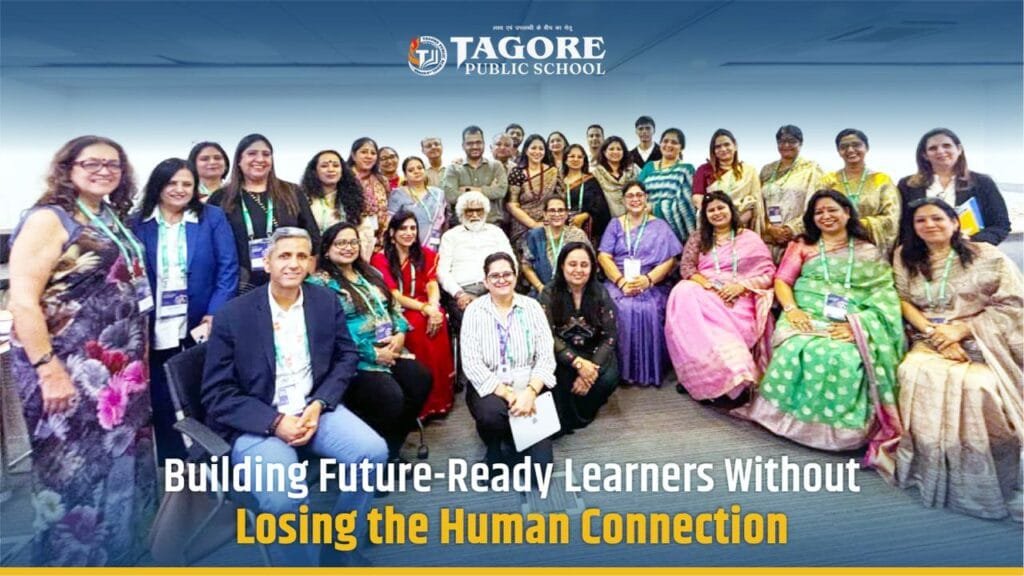
As Artificial Intelligence becomes part of the wider learning landscape, we believe schools have a bigger question to answer than simply which technology to adopt: how can we help students use it thoughtfully, creatively and responsibly? At Tagore Public School, Sector 50, Gurugram, we believe preparing children for the future is not simply about giving them access to technology. It is about helping them develop the ability to think critically, solve problems, collaborate, stay curious and use new tools with purpose. Our participation in the ET Education Leadership Roundtable on “The AI-Ready School: Vision, Leadership and Action” gave us an opportunity to reflect on what AI readiness should actually mean in education. For us, it begins with people, purpose and pedagogy, with technology supporting the learning experience rather than defining it. AI Readiness Is More Than Technology When we talk about an AI-ready school, the conversation can easily become centred around technology, tools and infrastructure. But meaningful AI readiness goes much deeper. A school needs teachers who understand emerging technologies, students who can question and evaluate information, and an institutional vision that encourages responsible innovation. AI can become a valuable part of learning, but only when it is integrated with a clear educational purpose. For us, being AI-ready means creating an environment where technology strengthens learning while essential human qualities such as curiosity, empathy, creativity and collaboration remain at the centre. Preparing Teachers for an AI-Enabled Learning Environment Teachers play an important role in helping students navigate an increasingly technology-enabled world. As AI continues to influence how information is created, accessed and used, educators also need opportunities to understand these changes. We see teacher training and professional development as an important part of AI readiness. Teachers need to be able to explore technology critically, understand its possibilities and limitations, and identify where it can genuinely add value to learning. The goal is not to replace the educator with technology. It is to empower educators to use technology meaningfully while continuing to build the relationships, discussions and interactions that make learning personal. Giving Students the Skills to Think, Create and Question Preparing students for an AI-enabled future requires more than teaching them how to use digital tools. We want our learners to ask questions, examine information, think independently and approach problems from different perspectives. These abilities become increasingly important when technology can provide quick answers, because students also need to understand how to evaluate those answers and decide what is meaningful. This is where skills such as critical thinking, creativity, collaboration and problem-solving become central to future-ready learning. From Using Technology to Using It With Purpose There is an important difference between using technology and understanding why we are using it. We want students to see technology as a tool that can support ideas, exploration and problem-solving. Whether they are researching a question, developing a project or exploring a real-world challenge, the focus should remain on the learning process. This approach encourages students to become active participants rather than passive users of technology. Keeping Human Values at the Centre of AI Education As technology becomes more present in education, human connection becomes even more important. At Tagore Public School, we believe that education must continue to nurture values such as inclusion, respect, empathy, curiosity and responsibility. These qualities cannot be separated from the way students learn and interact with the world around them. As Ms. Madhu Chauhan, Principal of Tagore Public School, shared during the leadership discussion: “AI readiness is not about adopting technology for its own sake. It is about preparing teachers and students to use technology thoughtfully, ethically, and creatively. Our responsibility as educators is to ensure that innovation remains rooted in human values, inclusion, curiosity, and the holistic development of every learner.” For us, this perspective is central to understanding AI readiness. Technology may change rapidly, but the purpose of education remains rooted in developing thoughtful and responsible individuals. Responsible AI Use Begins With Awareness AI also brings important questions around ethics, data privacy, digital literacy and responsible use. Students need to understand that technology should not simply be accepted because it is new or convenient. They need to develop awareness of how digital tools are used, what information they interact with and why responsible decision-making matters. This is why conversations around responsible AI in education need to be part of the larger learning environment. Awareness helps students approach technology with curiosity while also recognising its responsibilities and limitations. Why Project-Based Learning Matters in an AI-Ready School Our approach to project-based learning gives us a meaningful foundation for preparing students for a changing world. Project-based learning encourages children to work with questions, ideas and real-world situations. It gives them opportunities to collaborate, explore possibilities, solve problems and create solutions rather than simply receive information. These experiences naturally connect with the skills required in an AI-enabled world. When technology becomes part of such learning, it can support exploration without taking away the role of creativity or independent thinking. The focus remains on what students are trying to understand, create or solve. For us, this connection between technology and project-based learning is important because future-ready education should not be about technology alone. It should be about developing learners who know how to use technology while continuing to think for themselves. Building an AI-Ready School With a Clear Educational Purpose Becoming an AI-ready school is not about keeping up with every new technological development. It is about making thoughtful choices about what genuinely supports learning. It requires teacher empowerment, student-centred innovation, ethical awareness and a willingness to explore new approaches. It also requires schools to preserve the human relationships that remain fundamental to education. At Tagore Public School, we will continue to explore meaningful approaches to technology-enabled and project-based learning while keeping creativity, collaboration, critical thinking and human values at the heart of the learning journey. Because for us, an AI-ready school is not simply one that knows how to use technology. It is one that prepares its learners to
Helping Children Understand the Value of Love and Family
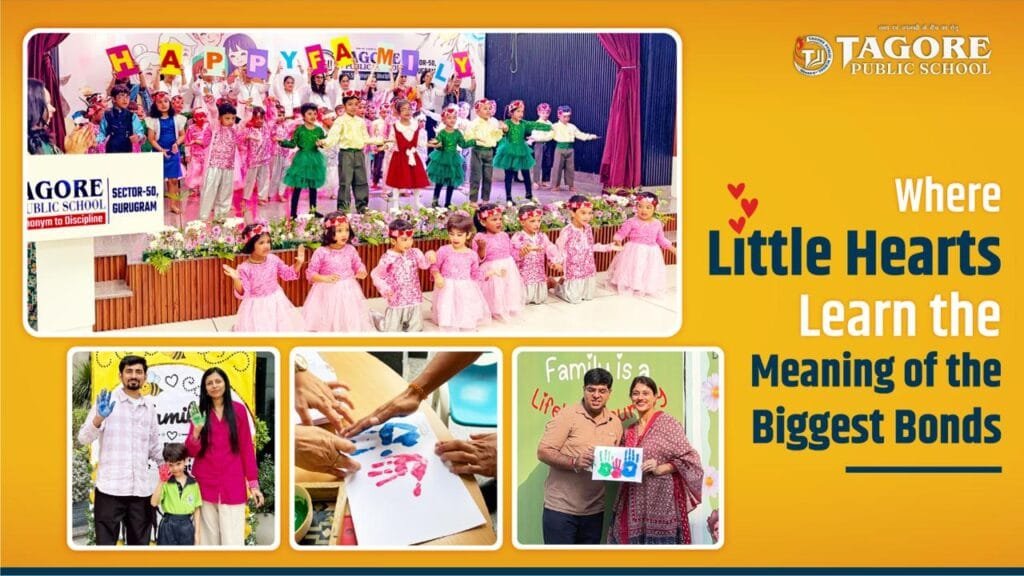
For a child, family is often where the first experiences of love, care, belonging and relationships begin. The people around them shape how they understand relationships, express emotions and respond to others. At Tagore Public School, Sector 50, Gurugram, we believe that these values deserve a meaningful place in a child’s early learning journey. This belief came alive through our “My Loving Family” theme, where our young learners explored the meaning of family through music, dance, drama and interactive activities. More than a celebration, it gave children an opportunity to recognise the people who matter to them, express their feelings and understand the importance of love, care, respect and togetherness. Why Children Need to Understand the Importance of Family Children experience love every day, but they may not always have the words or opportunities to express what those relationships mean to them. Parents, family members, friends and teachers are all part of a child’s world, and helping children recognise these relationships is an important part of growing up. When children begin to understand the people who care for them, they also begin to appreciate values such as kindness, respect, gratitude and togetherness. These are simple but meaningful ideas that children can explore through experiences that feel familiar to them. The theme “My Loving Family” gave our students an opportunity to explore these very ideas. Through their performances, they highlighted the special bonds they share with parents, family members, friends and teachers. The theme brought attention to the understanding that a happy family is built on love, understanding, respect and togetherness. Making Values Meaningful Through Experience At Tagore Public School, we believe children understand values better when they are given opportunities to experience and express them. Instead of simply telling children that family is important, we created an experience around the theme “My Loving Family” that allowed our young learners to explore the idea in a way that felt familiar to them. Music, dance, drama and interactive activities became different ways for children to express their understanding of love, care and togetherness. The experience also gave them a platform to showcase their confidence, creativity and talents. The idea was simple. When children are encouraged to think about and express the relationships they know and value, they get an opportunity to look at those relationships with greater awareness. Helping Children Put Their Feelings Into Words and Actions One of the meaningful ways of exploring the theme was through a skit centred around family relationships. The children portrayed simple situations highlighting the bond between parents and children and the importance of spending meaningful time with loved ones. Through their expressions and acting, they communicated the warmth and care associated with family relationships. For young learners, expressing an idea through a story or role play gives them a way to connect with something they already know. Instead of explaining the importance of family only through words, the children had an opportunity to represent relationships that were already familiar to them. This is where the learning becomes personal. A child speaking about a loved one, taking part in a family-based story or participating with classmates is given an opportunity to explore emotions and relationships through an experience they can understand. Creating Opportunities for Children and Parents to Connect Understanding family values also means creating opportunities for children and parents to share experiences. The Parents’ Activity became an important part of the “My Loving Family” experience because it brought parents into the children’s learning environment. Parents participated alongside their children, creating moments of laughter, connection and shared happiness. For children, these moments can carry meaning beyond the activity itself. Having their parents participate and share the experience allows children to feel that the people they love are also a part of their school journey. For parents, it offers an opportunity to see their children participate, express themselves and engage with their peers. At Tagore Public School, we value this connection because a child’s learning journey becomes richer when school and family come together. Helping Children Celebrate Love, Gratitude and Togetherness The theme of “My Loving Family” also encouraged children to think beyond the immediate idea of family and recognise the different relationships that contribute to their everyday lives. The children highlighted their bonds with parents, family members, friends and teachers, bringing out the importance of love, understanding, respect and togetherness. These values can shape the way children interact with the people around them. Recognising the care they receive can also help children understand the importance of showing care and respect in return. That is why we believe that teaching children about love and care should not be restricted to a single lesson. It can become part of the experiences they have at school, the activities they participate in and the opportunities they receive to express themselves. When Children Learn Through Music, Movement and Expression Young children communicate in many ways. Sometimes it is through words, sometimes through movement, expressions, music or simply participating alongside their friends. The “My Loving Family” experience brought these different forms of expression together. The welcome song and dance created an energetic beginning, while the children’s performances allowed them to explore the theme through movement and drama. A special musical performance by Mayank Sir added another element to the experience, bringing rhythm and energy to the celebration. The Grand Finale brought the young learners together, with their performance reflecting the themes of love, unity, gratitude and togetherness. The purpose was not simply to put children on a stage. It was to give them different avenues through which they could participate, express themselves and connect with the central idea. At Tagore Public School, Values Are Part of the Learning Journey Family is one of the closest and most familiar parts of a child’s world. When children are given opportunities to understand and appreciate their loved ones, they get a chance to recognise the relationships that make them feel cared for and supported. At Tagore Public School, Sector 50, Gurugram, we believe these
Creating Curious Classrooms: Using Questions to Develop Young Minds
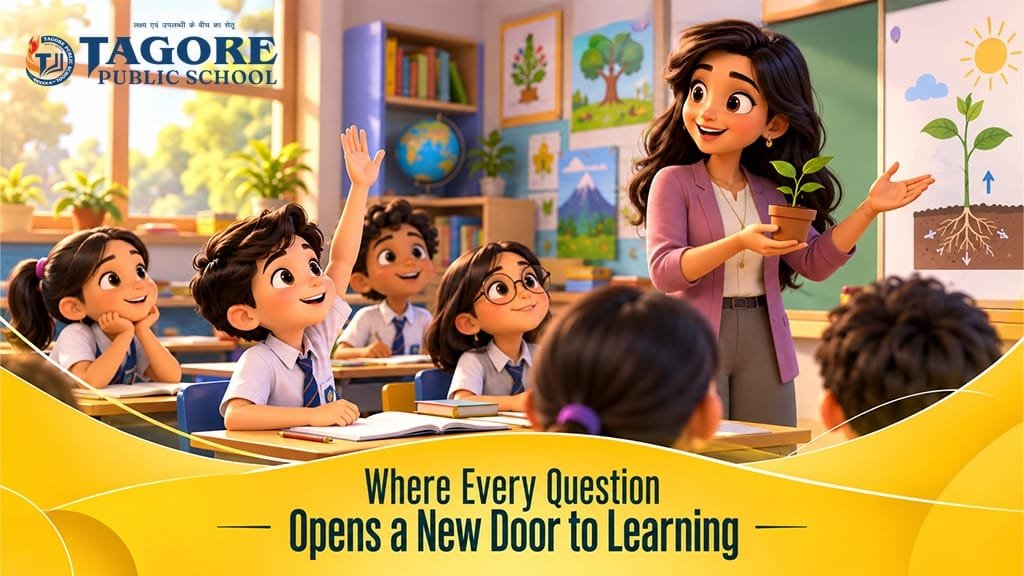
A child asks, “Why does this happen?” and suddenly, a simple classroom lesson can become an opportunity to explore, investigate and think. For young learners, questions are more than a way to seek information. They are a natural expression of curiosity. When children ask questions, they are trying to understand the world around them, connect new information with what they already know and make sense of their experiences. At Tagore Public School, Sector 50, Nirvana Country, Gurugram, we believe that meaningful learning begins when students are encouraged to participate in the learning process. A question can become the starting point for a discussion, an experiment, an observation or a project. This approach helps create classrooms where children are not simply expected to remember information, but are encouraged to think about it. Why Curiosity Matters in the Classroom Children are naturally curious. They observe things closely and often ask questions that adults may not expect. Why does a plant grow towards sunlight? Why does ice melt faster in one place than another? Why do communities celebrate festivals differently? What would happen if we changed something in an experiment? These questions may appear simple, but they represent important stages of learning. Curiosity encourages children to observe, question, investigate and form connections. Over time, these habits can contribute to critical thinking and independent learning. Instead of accepting information at face value, students begin to ask how something works, why it happens and whether there could be another explanation. This is particularly relevant in today’s education environment, where schools are increasingly focusing on conceptual understanding, experiential learning and skills such as problem solving and critical thinking. At Tagore Public School, this philosophy connects with our approach to creating learning experiences where students can engage with concepts rather than simply receive information. From Finding Answers to Exploring Possibilities A curious classroom does not mean that teachers stop providing answers. Rather, it creates opportunities for students to think before the answer is provided. Imagine a Science class discussing plants. Instead of simply introducing the concept of how plants respond to light, students could observe plants growing in different conditions and discuss what they notice. They might make predictions, record their observations and compare their findings. The scientific concept then has a context. Similarly, a Mathematics lesson can move beyond solving a fixed set of questions. Students can be asked whether there is more than one way to arrive at the same solution. In English, they can discuss why a character made a particular choice. In Social Science, they can explore how the same event may have affected different people in different ways. These experiences help students understand that learning is not always about reaching the first correct answer. Sometimes, it is about understanding the process of getting there. How Questions Develop Critical Thinking Good Questions Make Students Think Deeper Not every question encourages the same kind of thinking. Questions that ask students to recall information have their place in the classroom. However, questions that ask them to explain, compare, predict or justify an idea can encourage deeper thinking. A teacher might ask, “What do you think would happen if we changed this?” or “What makes you think this solution would work?” Such questions encourage students to explain their reasoning rather than simply provide an answer. Over time, this can help children become more thoughtful learners. They begin to understand that having an idea is only one part of the learning process. They also need to explain it, examine it and sometimes reconsider it. Questions Encourage Students to Learn from One Another Curiosity can also make classroom learning more collaborative. When one student asks a question, another student may have a different interpretation or explanation. A classroom discussion can therefore become an opportunity for students to listen to different perspectives, explain their own thinking and build on the ideas of their peers. This is particularly valuable in Project Based Learning, where students can work together to explore a topic, investigate a problem and develop possible solutions. At Tagore Public School, collaborative learning forms an important part of the learning experience. Students get opportunities to work together, exchange ideas and approach challenges from different perspectives. Connecting Classroom Learning with the Real World Curiosity becomes even more meaningful when children can connect what they learn with what they see around them. A lesson about sustainability, for example, could begin with something students notice in their own school environment. How much waste does a classroom generate in a day? Which materials can be reused? What changes could reduce unnecessary waste? A Mathematics activity could involve collecting and interpreting real data. A Science project could begin with an observation made in the school garden. A Social Science discussion could connect a textbook concept with a community issue. This is where experiential learning becomes valuable. Instead of learning a concept in isolation, students encounter it through an experience and then use academic knowledge to understand it. At Tagore Public School, Project Based Learning provides opportunities for students to explore connections between concepts and real world contexts. Projects can encourage children to research, collaborate, apply concepts and communicate what they have learned. What This Can Look Like in a Tagore Classroom The idea of a curious classroom becomes easier to understand when we bring it into a familiar school setting. Consider a classroom exploring the question, “How can we make our everyday environment more sustainable?” Instead of beginning with a ready made list of instructions, students could first observe their surroundings and identify areas that make them curious. They might notice the use of paper, electricity consumption, water usage or waste generated during the school day. The next step could be to ask questions. Where is most waste being generated? Which materials are being discarded? Can some of them be reused? What changes could make a measurable difference? Students could then collect information, discuss their observations, research possible solutions and present their findings. Mathematics could enter through data collection and comparison, Science
Why Enrichment Activities Are Essential for Student Growth and Development
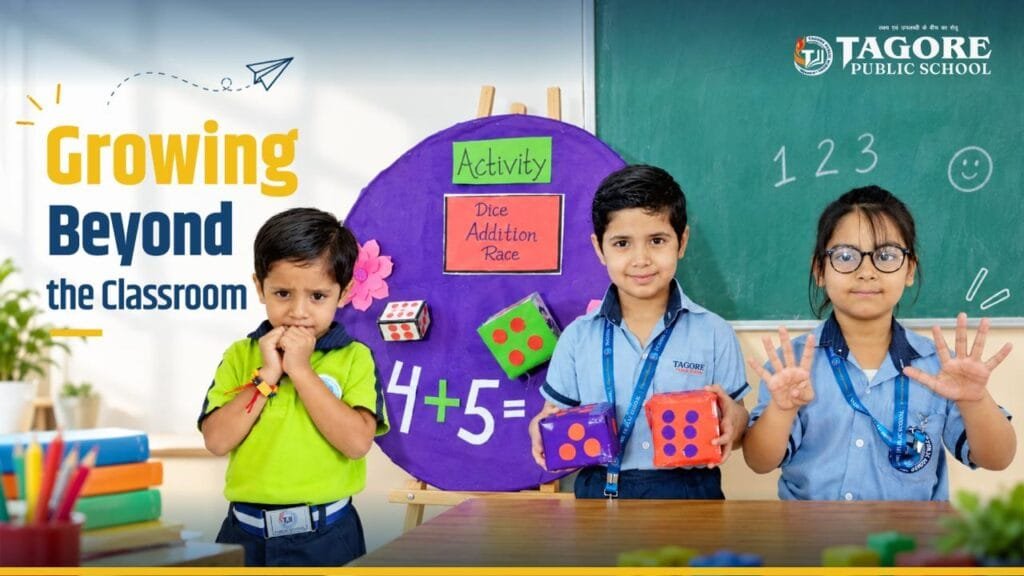
A child’s school journey is about much more than completing a syllabus or preparing for examinations. Academic learning gives students the knowledge and foundation they need, but their development also depends on opportunities to explore, create, communicate, collaborate and discover what they enjoy. This is where enrichment activities become an important part of school life. Whether it is participating in a sport, presenting a project, performing on stage, experimenting in a laboratory, working with technology or contributing to a club, every experience can teach a child something beyond the textbook. At Tagore Public School, Sector 50, Nirvana Country, Gurugram, we believe that meaningful education should provide students with opportunities to learn in different ways. Our approach brings academic learning together with experiential learning, project based activities, sports, creative expression, practical exposure and collaborative experiences. Enrichment, therefore, is not an activity added simply to make the school day more interesting. It is an integral part of helping students develop the confidence, curiosity, skills and perspective they need as they grow. What Makes Enrichment Activities Important for Students? Enrichment activities give students an opportunity to participate actively in their learning. A concept discussed in a classroom can become much more meaningful when a student gets the opportunity to apply it. For example, working with classmates on a project teaches students how to listen to different ideas, divide responsibilities and work towards a shared outcome. Presenting that project helps them organise their thoughts and communicate them confidently. Taking part in a competition teaches them to prepare, perform under pressure and respond to the outcome. These experiences help students develop skills naturally because they are learning through action. At Tagore Public School, this connects closely with our emphasis on experiential and project based learning. Students are encouraged to investigate concepts, engage with practical tasks and make connections between different areas of learning. Connecting Classroom Learning With the Real World One of the most valuable aspects of enrichment is its ability to connect academic knowledge with real experiences. When students understand where and how their learning can be applied, subjects become more meaningful. Learning Through Project Based Experiences Project based learning gives students the opportunity to explore a topic in greater depth instead of approaching it only through a conventional lesson. A project around traditional pottery, for instance, can introduce students to much more than the process of shaping clay. It can open conversations around Indian craftsmanship, cultural traditions, creativity and sustainability. Students can observe, discuss, create and present, bringing several skills together through one learning experience. Similarly, exploring the solar system through a project allows students to engage with scientific concepts while also using creativity and presentation skills to communicate their understanding. Such experiences demonstrate the value of enrichment activities for students because they encourage children to use knowledge rather than simply remember it. Making STEM More Practical Technology and practical learning provide another avenue for enrichment. Robotics, for example, brings together concepts from mathematics, science, technology and logical reasoning. When students build or programme something and encounter a problem, they have to analyse what happened, consider possible solutions and try again. The process teaches them that mistakes are part of learning and that problems can often be solved through patience and experimentation. Practical science experiences offer a similar advantage. Working with laboratory equipment, conducting experiments and observing scientific phenomena allows students to experience concepts that they may otherwise encounter only in textbooks. Building Confidence Through Participation Confidence develops through opportunities to participate. A student who is initially hesitant to speak before others may gradually become more comfortable after presenting a project, participating in a debate or performing on stage. Another student may discover confidence through sport, while someone else may find their voice through music, dance, art or theatre. This is why schools need to create different platforms for student participation. At Tagore Public School, students are encouraged to explore a range of activities, including sports, performing arts, creative activities, debates and clubs. The purpose is not to expect every student to excel in every area. It is to give each child opportunities to discover where they feel engaged and capable. That discovery can be an important part of student growth and development. Developing Communication, Collaboration and Leadership Skills Learning to Work With Others Enrichment activities frequently involve collaboration, making them a natural environment for developing interpersonal skills. When students work together, they learn that people can approach the same task differently. They have to listen, communicate their own ideas, accommodate different viewpoints and take responsibility for their part of the work. These are practical lessons that become increasingly important as students progress into higher education and eventually into professional environments. Learning to Take Responsibility Leadership also develops through participation. Students learn leadership when they are trusted with responsibilities and expected to contribute meaningfully. Organising a task, coordinating a group, preparing a presentation, representing a team or taking ownership of a project can help students understand accountability and decision making. Student clubs and societies can provide particularly valuable opportunities for this. At Tagore Public School, students have avenues to explore interests across areas such as literature, art, technology and sports, while activities such as Model United Nations can encourage public speaking, diplomacy and engagement with wider issues. Encouraging Creativity Beyond Art Creativity is often associated with drawing, painting or performing, but it extends much further. A creative learner is also someone who can ask questions, look at a familiar situation differently and consider more than one possible solution. This makes creativity relevant across the school experience. A student designing a project has to decide how best to communicate an idea. A child working with robotics has to think differently when a solution does not work. A student participating in theatre interprets a character and responds to other performers. An art activity gives children the freedom to make individual choices rather than reproduce a single expected answer. At Tagore Public School, activity based and experiential learning provides students with opportunities to engage with
Anti-Bullying Workshop and Student Well-being: Helping Students Build a Kinder School Community
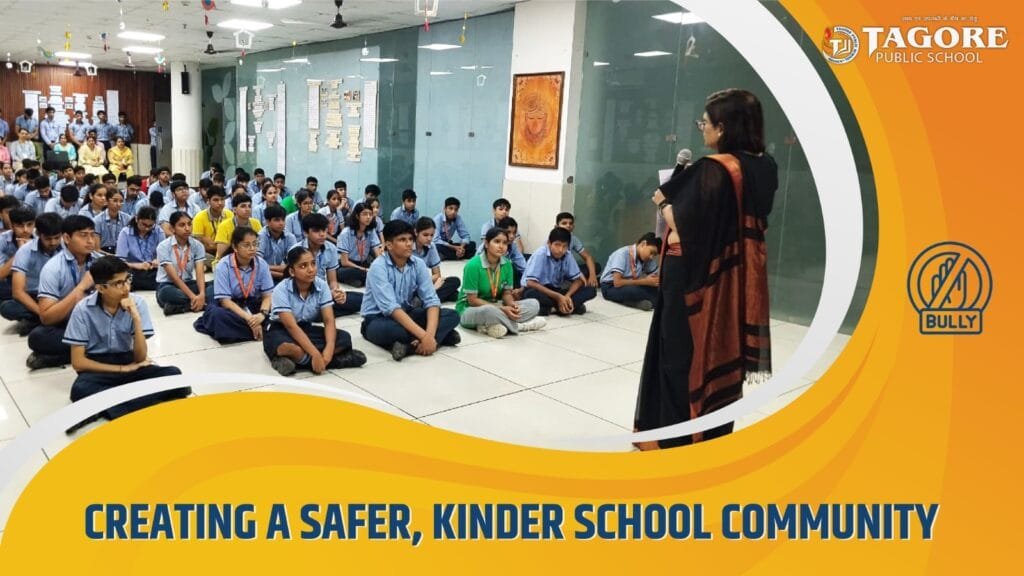
The senior school years are a time of significant change. Students are becoming more independent, navigating new friendships, managing academic expectations and forming stronger opinions about themselves and the world around them. At the same time, much of their social interaction now extends beyond the classroom and into digital spaces. This makes conversations around bullying, emotional well-being, peer pressure and responsible behaviour particularly important for students in Grades 9 to 12. At Tagore Public School, Sector 50, Nirvana Country, Gurugram, we believe that preparing students for the future involves more than academic knowledge. It also means helping them understand relationships, recognise unhealthy behaviour, respect individual differences and develop the confidence to make responsible choices. Our Anti-Bullying and Student Well-being Workshop for students of Grades 9 to 12 provided an opportunity to explore these issues through relatable situations, meaningful conversations and real-life examples. Rather than viewing bullying simply as an isolated incident, the discussion encouraged students to consider the larger emotional environment they help create through their everyday words, choices and actions. Understanding Bullying Beyond Physical Aggression Bullying is often associated with physical aggression, but the reality is much broader. Some forms of bullying can be difficult to identify because they may appear as jokes, casual comments or ordinary peer interactions. Physical, Verbal and Social Bullying Students explored different forms of bullying, including physical, verbal and social behaviour. Physical bullying can involve aggression or intimidation, while verbal bullying may include repeated insults, mocking, threats or comments intended to humiliate another person. Social bullying can be less visible. Deliberately excluding someone, spreading rumours, turning a peer group against an individual or repeatedly making someone feel unwelcome can affect a student’s confidence and sense of belonging just as deeply. The workshop encouraged students to look beyond the intention behind an action and consider its impact. A person may describe something as “just a joke”, but if the same behaviour repeatedly causes embarrassment, distress or isolation, it deserves to be taken seriously. Recognising this difference is an important part of bullying prevention in schools. Students need to understand not only what bullying looks like, but also when everyday interactions cross the line from harmless disagreement into behaviour that can cause genuine harm. Why Student Well-being Matters in Senior School For students in Grades 9 to 12, school life can involve several pressures at once. Academic expectations and examinations are accompanied by changing friendships, social comparison, concerns about appearance, peer expectations and the growing pressure to make decisions about the future. Making Space for Conversations That Matter The workshop opened discussions around peer pressure, toxic friendships, body shaming, comparison, academic stress, emotional struggles and personal boundaries. These conversations matter because not every challenge a student experiences is immediately visible to a teacher, parent or friend. A student who appears confident in the classroom may still be struggling with comparison or pressure within a peer group. Similarly, a friendship that looks normal from the outside may become unhealthy when it involves manipulation, humiliation or constant pressure to behave in a certain way. Helping students identify these situations gives them greater awareness of their own well-being and the well-being of those around them. At Tagore Public School, we see this awareness as an important part of education. Students should be able to pursue academic goals while also understanding how to manage relationships, communicate boundaries and seek support when they need it. Cyberbullying and the Responsibility That Comes With Being Online For today’s students, the boundaries between school life and online life are increasingly fluid. A disagreement that begins among classmates can continue through messaging platforms or social media, while a hurtful comment or image can potentially reach a much larger audience within minutes. Responsible Digital Behaviour Begins With Awareness The workshop therefore addressed cyberbullying and responsible digital behaviour, encouraging students to think carefully about how they communicate online. Cyberbullying can take different forms, including online harassment, hurtful messages, deliberate exclusion from digital groups, sharing embarrassing content or spreading rumours through online platforms. Because digital content can be shared quickly and may remain accessible, the consequences can extend far beyond the original interaction. Students were encouraged to think before they post, comment, forward or share. Responsible digital behaviour is not simply about knowing what technology can do. It is about understanding what our choices can do to another person. For senior school students who are becoming increasingly independent online, this distinction is especially important. Peer Pressure, Friendships and Personal Boundaries The desire to belong is a natural part of growing up. However, the need for acceptance can sometimes make students uncomfortable saying no or speaking up when something does not feel right. Knowing When a Situation Is Unhealthy Students were encouraged to recognise unhealthy friendship dynamics and understand the importance of personal boundaries. A healthy friendship allows people to disagree, express themselves and make individual choices without fear of ridicule or rejection. Peer pressure becomes problematic when students feel compelled to participate in something they are uncomfortable with simply because they fear being excluded or judged. Understanding personal boundaries helps students recognise that respecting others also means respecting their right to make their own choices. It gives them the confidence to step away from situations that do not feel appropriate and to seek help from a trusted adult when necessary. The Bystander Has a Choice Too A particularly important part of the discussion focused on students who witness bullying. A student does not have to be the person being bullied or the person responsible for the behaviour to influence what happens next. When others remain silent, laugh along or participate indirectly, harmful behaviour can gain acceptance within a group. From Bystanders to Upstanders This is where anti-bullying education becomes closely connected to leadership. At Tagore Public School, we believe leadership is not defined only by academic achievement, positions of responsibility or participation in school activities. It is also reflected in everyday choices. Having the courage to speak up, showing empathy when someone is struggling and refusing to
Beyond Theory: How Practical Learning Helps Students Understand Science Better
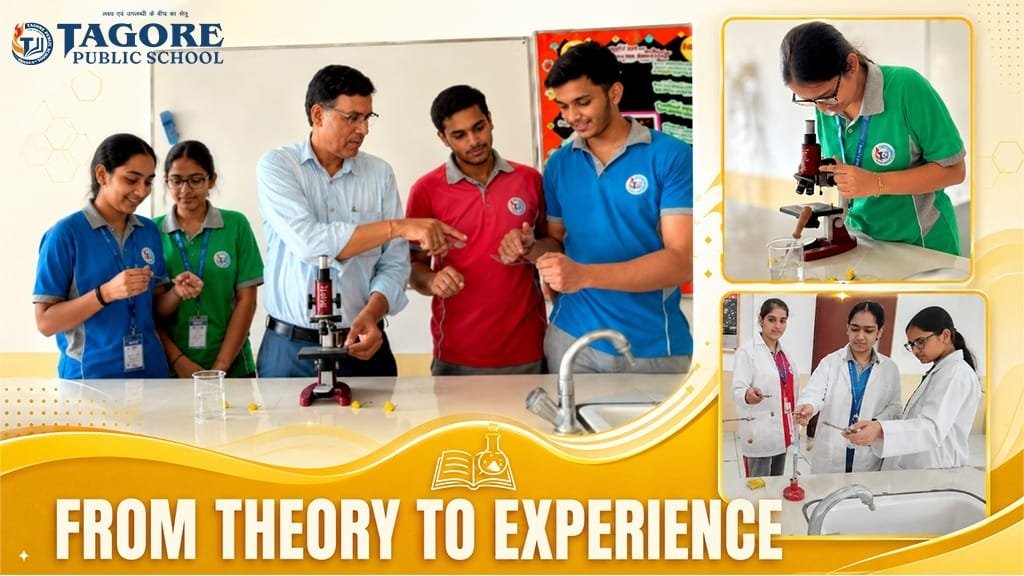
A student can read about least count and zero error in a Physics chapter, but the meaning becomes different when they are actually holding a Vernier caliper and trying to take an accurate measurement. A chemical reaction can be memorised from a textbook, but it becomes far more meaningful when a student observes a colour change and uses it as evidence to identify a substance. A diagram of a flower can explain its parts, but examining and dissecting an actual flower creates a much clearer understanding of its structure. This is what makes practical learning for students an important part of meaningful science education. Theory gives students the foundation, while practical experience gives them an opportunity to apply, observe, question, and interpret what they have learned. At Tagore Public School, Sector 50, Nirvana Country, Gurugram, science learning extends beyond the textbook through hands-on laboratory experiences. Recent Physics, Chemistry and Biology practical sessions have allowed students to work with instruments, specimens, reagents and microscopes while connecting classroom concepts with observable scientific processes. Why Practical Learning Makes Concepts More Meaningful Theory introduces students to scientific principles, equations, structures and processes. Practical work gives these concepts a context. When students perform an experiment, they have to do more than remember information. They have to follow a procedure, observe carefully, record what happens and use their understanding to interpret the outcome. This creates a stronger connection between what students learn in the classroom and what they encounter in the laboratory. From Measuring Instruments to Scientific Accuracy The Class XI Physics practical on 4 August 2026 offered a clear example of this connection. Students worked with Vernier Calipers to measure the internal diameter of a beaker. Before taking the measurement, they were introduced to the construction of the instrument, its least count, correct handling, and the interpretation of the main and Vernier scales. Students also learnt about zero error correction and the importance of proper alignment while taking readings. They recorded their observations systematically and understood how even a small error in observation or handling could affect the final result. This experience gives practical meaning to concepts such as precision and experimental error. Instead of simply remembering definitions from a textbook, students experience why accuracy matters when conducting scientific measurements. From Chemical Reactions to Scientific Reasoning Chemistry offers another clear example of why practical learning matters. Chemical reactions that may appear abstract on a page become easier to understand when students can observe the evidence themselves. Identifying Copper Sulphate Through Qualitative Analysis During a Class XI Chemistry practical under the guidance of Dr. Yachana Gupta, students performed the qualitative analysis of copper sulphate. They began by observing the characteristic blue crystalline appearance of the salt before moving on to systematic dry and wet tests. The sample produced a green flame, providing an initial indication of copper ions. Students then dissolved the salt in distilled water and performed further tests. On adding ammonium hydroxide, they observed a light blue precipitate. The precipitate dissolved in excess ammonium hydroxide to form a deep blue complex solution, confirming the presence of Cu²⁺ ions. Students then tested for the sulphate ion using barium chloride. The formation of a dense white precipitate that remained insoluble in dilute hydrochloric acid confirmed the presence of sulphate ions. The important part of this practical was not simply identifying copper sulphate. Students had to observe each change, connect it with their theoretical knowledge, and use experimental evidence to arrive at a conclusion. This develops analytical thinking and helps students understand how scientific identification actually works. Applying Organic Chemistry Through Qualitative Tests A Class XII Chemistry practical on 14 August 2026 provided another opportunity for students to apply theoretical knowledge. The activity focused on identifying alcohols, phenols and unsaturated compounds through qualitative tests. Students used the Lucas Test and Ceric Ammonium Nitrate Test while examining alcohols. The Ferric Chloride Test was used to identify phenolic groups through a characteristic colour change. To detect unsaturation, students used Bromine Water and Dilute Potassium Permanganate through Baeyer’s Test, where decolourisation indicated the presence of carbon-carbon double or triple bonds. These observations allowed students to connect functional groups with their characteristic chemical behaviour. Instead of simply memorising which test corresponds to which compound, they could observe the reaction and understand how the result supports a scientific conclusion. Seeing Biology Instead of Just Reading About It Biology contains many structures and processes that can be difficult to fully appreciate through diagrams and descriptions alone. Practical observation gives students an opportunity to examine these concepts directly. Exploring the Floral Structure of the Solanaceae Family On 12 August 2026, Class XI students studied a locally available flowering plant belonging to the Solanaceae family. Through careful examination and dissection, students identified the calyx, corolla, androecium and gynoecium and studied their arrangement and structural relationships. A textbook diagram can label these floral parts, but examining an actual flower gives students a different perspective. They can see the structures, study their arrangement, and understand how the different floral whorls relate to plant reproduction and classification. The practical therefore connected concepts of floral morphology and taxonomy with direct observation. It also encouraged students to pay attention to structural details that may be difficult to appreciate fully from a two-dimensional illustration. Observing Pollen Grain Germination Under a Microscope The Class XII Biology practical on 5 August 2026 took observation even further. Students prepared temporary mounts using fresh pollen grains and examined them under a compound microscope to observe pollen grain germination. They were able to identify germinating pollen grains and developing pollen tubes, giving them a direct view of an important stage in the reproductive process of flowering plants. The activity also helped students develop practical skills such as preparing slides, handling a microscope, observing microscopic structures, and recording findings accurately. A process that students had previously encountered as part of their theoretical understanding of plant reproduction could now be observed as scientific evidence. This kind of experience can make complex biological processes easier to understand and
Earthquake Safety Drill at Tagore Public School, Gurugram: Turning Preparedness into Practice
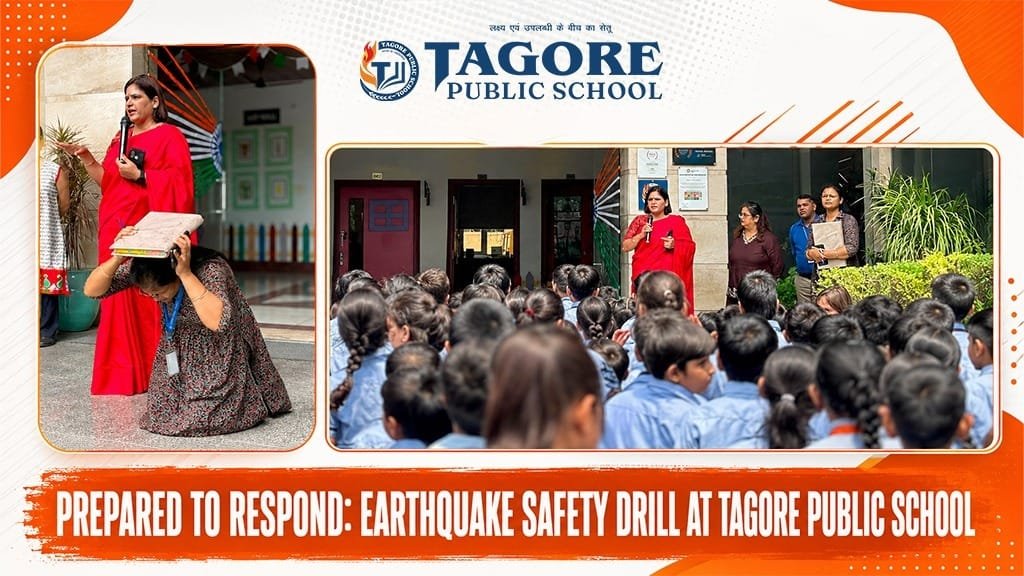
At Tagore Public School, Sector 50, Nirvana Country, Gurugram, we believe that some of the most important lessons are those that prepare students for real life. Our earthquake safety drill gave students and staff an opportunity to practise how to respond calmly, responsibly and collectively during a simulated emergency. The exercise involved an emergency alarm, guided movement towards designated safe zones, assembly and a safety briefing. The school’s disaster management team also reviewed the exercise, making it an opportunity not only to practise emergency procedures but also to reflect on how preparedness can be strengthened. For our students, the drill brought an important safety concept out of the classroom and into practice. It helped them understand that knowing what to do during an emergency is important, but being able to respond calmly and follow instructions is equally valuable. How the Earthquake Safety Drill Unfolded An earthquake can occur without warning, which makes awareness and preparation particularly important in a school environment. With students and staff present across classrooms and different areas of the campus, a coordinated response requires everyone to understand their role. Our earthquake safety drill provided an opportunity to practise these principles in a structured and controlled setting. Responding to the Emergency Alarm The exercise began with an alarm signalling the simulated earthquake emergency. The familiar rhythm of the school day shifted into an organised safety exercise, giving students an opportunity to practise how they should respond when an emergency signal is raised. For students, experiencing an emergency alarm in a controlled environment can make the process less unfamiliar. It also reinforces an important lesson: during an emergency, listening carefully to teachers and following instructions is more important than reacting with panic. The exercise encouraged students to understand that responding calmly and responsibly is an essential part of staying safe. Moving Towards Designated Safe Zones Following the alarm, students were guided towards designated safe zones as part of the evacuation process. Teachers and staff supported students throughout the movement, helping maintain an orderly response. This is an important aspect of any earthquake drill in school. Evacuation is not simply about reaching a particular location quickly. It requires students to remain with their groups, follow directions and avoid unnecessary rushing or confusion. Practising this process helps students understand that safety during an emergency is a shared responsibility. Each individual response contributes to creating a safer environment for the larger school community. Assembly and Safety Briefing Once students and staff had reached the assembly area, a safety briefing followed. It provided an opportunity to reinforce the importance of appropriate emergency response and remaining alert during and after an earthquake. The exercise was also reviewed by the school’s disaster management team. This review is an important part of disaster preparedness in schools because it provides an opportunity to reflect on the response and identify areas where awareness and emergency procedures can continue to be strengthened. What Our Students Learn Through an Earthquake Drill One of the most valuable aspects of an earthquake safety drill is the opportunity to turn information into experience. Students may hear about emergency preparedness in a classroom, but participating in a simulated situation gives them a different understanding of what those instructions mean in practice. They learn the importance of staying calm, listening carefully and following an established procedure. They also learn that safety is not only an individual responsibility. During an emergency, remaining with a group, avoiding unnecessary rushing and following the instructions of teachers can help create a safer environment for everyone. These actions encourage students to think beyond themselves and understand the importance of cooperation. Such experiences also help develop qualities that are valuable far beyond an emergency situation. Awareness, responsibility, composure and teamwork are important parts of a student’s overall development and can influence how they approach challenges in many areas of life. Earthquake Safety for Students: What Should They Remember? While every emergency situation can be different, students should have a basic understanding of appropriate earthquake safety measures and, most importantly, know that they should follow the emergency procedures communicated by their school. Stay Calm and Follow Instructions During an emergency, staying as calm as possible helps students understand instructions and make safer decisions. Students should listen carefully to teachers and designated safety personnel rather than rushing or reacting impulsively. Panic can make it difficult to understand what is happening and can create additional confusion in a crowded environment. Following instructions carefully allows students to respond in a more organised manner and helps teachers coordinate the movement of their groups. Understand Drop, Cover and Hold Drop, Cover and Hold is a widely recognised principle of earthquake preparedness. Where appropriate, students are advised to drop down, take cover under a sturdy desk or table and hold on until the shaking stops. Understanding this principle gives students an important starting point for earthquake awareness. At the same time, the appropriate response can depend on the surroundings and circumstances, which is why students should always follow the safety procedures and instructions provided by their school. Evacuate Carefully When Instructed Once evacuation instructions are given, students should move towards the designated safe area without running or pushing. Remaining with their group and following the route communicated by teachers helps maintain an organised evacuation. Knowing where to assemble after an emergency is equally important. A designated assembly area allows the school community to come together in an organised manner and enables the next steps of the emergency response to be coordinated effectively. Why Regular School Safety Drills Matter Awareness becomes more meaningful when students have an opportunity to practise it. A student may understand an emergency procedure when it is explained, but participating in a drill provides an opportunity to experience how that procedure works. Regular school safety drills help students become familiar with emergency signals, evacuation procedures and designated assembly areas. They also provide teachers and school teams with opportunities to reinforce safety practices and review emergency responses. For students, this familiarity can help replace
How Project Based Learning at Tagore Public School Brings Learning to Life
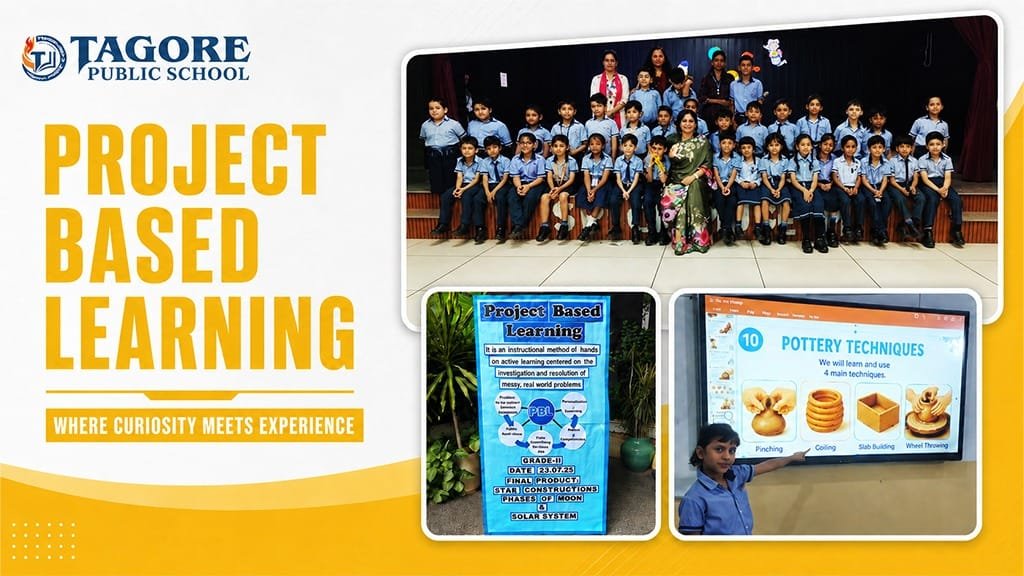
Education becomes truly meaningful when children are encouraged to explore, question, create, and experience concepts rather than simply memorising them. At Tagore Public School Sector 50, Gurugram, Project Based Learning is an integral part of the learning journey, enabling students to develop a deeper understanding of classroom concepts through engaging and purposeful experiences. Every project is thoughtfully designed to encourage curiosity while helping students connect academic learning with real life situations. Whether they are exploring the rich heritage of traditional pottery or uncovering the mysteries of the solar system, learners actively participate in activities that inspire observation, creativity, collaboration, and confident expression. Recent Project Based Learning initiatives across the primary grades beautifully reflected this philosophy by allowing students to discover new concepts through immersive classroom experiences that made learning both enjoyable and memorable. Why Project Based Learning Matters Project Based Learning encourages children to become active participants in their own learning journey. Instead of simply receiving information, students investigate ideas, ask questions, collaborate with their peers, and apply classroom concepts through meaningful experiences that make learning more engaging and relevant. At Tagore Public School Sector 50, Gurugram, every Project Based Learning experience is carefully planned to nurture curiosity while strengthening communication, creativity, critical thinking, collaboration, and confidence. These thoughtfully designed projects encourage children to apply knowledge in meaningful contexts, making learning more enjoyable while building a deeper conceptual understanding of every topic they explore. By placing students at the centre of the learning process, Project Based Learning at Tagore Public School transforms everyday classroom lessons into experiences that remain with learners long after the activity concludes. It encourages children to think independently, express their ideas confidently, and develop skills that support both academic success and holistic development. Discovering Creativity Through The Potter’s Lane As part of its commitment to experiential learning, Tagore Public School Sector 50, Gurugram introduced Grade III students to the fascinating world of pottery through The Potter’s Lane: A Journey Through Clay to Creativity. The project began with an engaging classroom session where students explored the life of a potter through an informative presentation and video. They learnt how ordinary clay is transformed into useful and beautiful pottery items by understanding every stage of the pottery making process, from collecting clay and shaping it to drying, firing, and decorating the finished product. Students were also introduced to different pottery making techniques including Pinching, Coiling, Slab Building, and Wheel Throwing. As they learnt about everyday clay products such as diyas, bowls, flower pots, and vases, they discussed the importance of eco friendly clay products while developing an appreciation for the dedication and craftsmanship of traditional artisans. The learning journey continued with an engaging Pottery Puzzle Activity where students worked collaboratively to assemble puzzles featuring different pottery items. As each puzzle came together, learners identified the objects, discussed their uses, and connected them with everyday life. The activity strengthened observation, communication, logical thinking, and teamwork while making learning interactive and enjoyable. It also prepared students for the creative experiences planned during the next phase of the project. Watching simple pieces of clay evolve into meaningful learning experiences helped students appreciate that every traditional craft carries knowledge, creativity, and cultural value. Through active participation, they experienced how learning becomes far more meaningful when concepts are explored instead of merely explained. Exploring the Universe Through My Space Adventure Continuing its experiential learning approach, Tagore Public School Sector 50, Gurugram also encouraged Grade II students to become young space explorers through My Space Adventure: Exploring the Solar System. Driven by the exciting challenge of creating a Space Museum for their families, students explored the wonders of the Sun, Moon, stars, and planets through videos, storytelling, discussions, hands on activities, experiments, and model making. Their learning journey resulted in an impressive collection of Solar System models, Planet Fact Cards, Moon Phase Wheels, Constellation Art, and informative displays that reflected both their understanding and imagination. As their curiosity grew, students confidently learnt the names and sequence of the eight planets, explored the importance of the Sun, understood the phases of the Moon, discovered constellations, and learnt how the Earth’s rotation causes day and night. Alongside scientific understanding, they strengthened creativity, communication, confidence, teamwork, critical thinking, and presentation skills through collaborative learning experiences. The project concluded with the presentation of the Space Museum, where students confidently shared their exhibits and fascinating space facts with parents, teachers, coordinators, and the Principal. Their enthusiasm, creativity, and presentation skills reflected the confidence they had developed throughout the project, making the celebration a memorable culmination of experiential learning. Different Projects, One Shared Purpose At first glance, pottery and space may appear to be completely different themes. One introduces children to India’s rich traditional craftsmanship, while the other encourages them to explore the wonders of the universe. Yet both projects were guided by the same educational philosophy. At Tagore Public School Sector 50, Gurugram, Project Based Learning encourages students to explore diverse subjects with equal enthusiasm by connecting knowledge with meaningful experiences. Rather than limiting learning to textbooks, students investigate concepts through observation, discussion, collaboration, creativity, and presentation. The Potter’s Lane encouraged students to appreciate traditional crafts, understand the value of eco friendly clay products, and recognise the craftsmanship behind everyday objects. My Space Adventure inspired young learners to explore scientific concepts with confidence while presenting their discoveries to a wider audience. Although the themes differed, both projects helped students develop communication, collaboration, logical thinking, creativity, curiosity, and confidence. These experiences encouraged learners to become active participants in their education while discovering that meaningful learning can happen in many different ways. Building Future Ready Learners Through Experiential Learning At Tagore Public School Sector 50, Gurugram, every Project Based Learning experience is designed with a clear purpose: to help students become curious thinkers, confident communicators, creative problem solvers, and lifelong learners. Whether learners are discovering the timeless art of pottery or exploring the mysteries of space, every project provides opportunities to observe, question, collaborate, create, and confidently share ideas. These


