




What Does It Really Mean to Be an AI-Ready School?
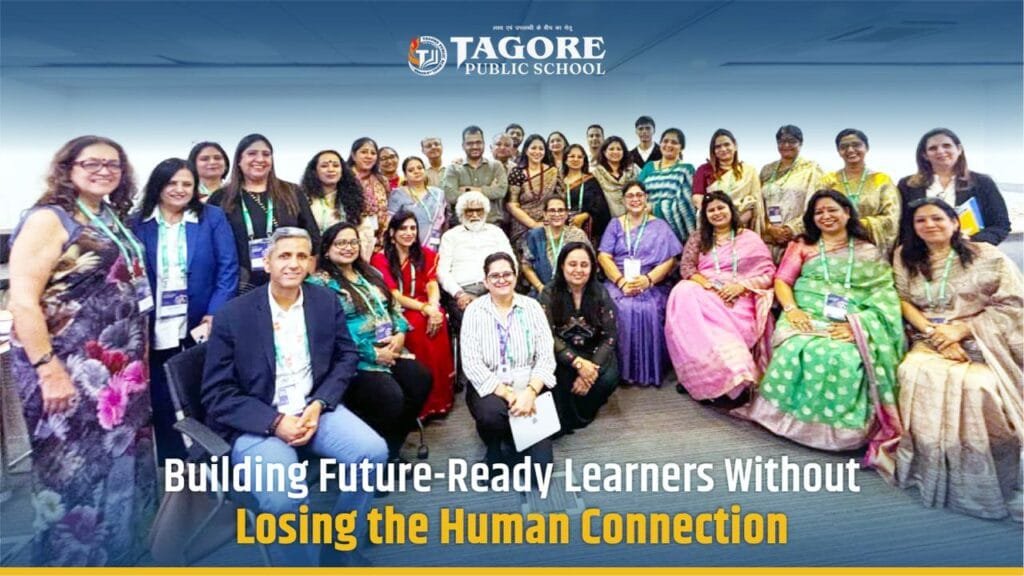
As Artificial Intelligence becomes part of the wider learning landscape, we believe schools have a bigger question to answer than simply which technology to adopt: how can we help students use it thoughtfully, creatively and responsibly? At Tagore Public School, Sector 50, Gurugram, we believe preparing children for the future is not simply about giving them access to technology. It is about helping them develop the ability to think critically, solve problems, collaborate, stay curious and use new tools with purpose. Our participation in the ET Education Leadership Roundtable on “The AI-Ready School: Vision, Leadership and Action” gave us an opportunity to reflect on what AI readiness should actually mean in education. For us, it begins with people, purpose and pedagogy, with technology supporting the learning experience rather than defining it. AI Readiness Is More Than Technology When we talk about an AI-ready school, the conversation can easily become centred around technology, tools and infrastructure. But meaningful AI readiness goes much deeper. A school needs teachers who understand emerging technologies, students who can question and evaluate information, and an institutional vision that encourages responsible innovation. AI can become a valuable part of learning, but only when it is integrated with a clear educational purpose. For us, being AI-ready means creating an environment where technology strengthens learning while essential human qualities such as curiosity, empathy, creativity and collaboration remain at the centre. Preparing Teachers for an AI-Enabled Learning Environment Teachers play an important role in helping students navigate an increasingly technology-enabled world. As AI continues to influence how information is created, accessed and used, educators also need opportunities to understand these changes. We see teacher training and professional development as an important part of AI readiness. Teachers need to be able to explore technology critically, understand its possibilities and limitations, and identify where it can genuinely add value to learning. The goal is not to replace the educator with technology. It is to empower educators to use technology meaningfully while continuing to build the relationships, discussions and interactions that make learning personal. Giving Students the Skills to Think, Create and Question Preparing students for an AI-enabled future requires more than teaching them how to use digital tools. We want our learners to ask questions, examine information, think independently and approach problems from different perspectives. These abilities become increasingly important when technology can provide quick answers, because students also need to understand how to evaluate those answers and decide what is meaningful. This is where skills such as critical thinking, creativity, collaboration and problem-solving become central to future-ready learning. From Using Technology to Using It With Purpose There is an important difference between using technology and understanding why we are using it. We want students to see technology as a tool that can support ideas, exploration and problem-solving. Whether they are researching a question, developing a project or exploring a real-world challenge, the focus should remain on the learning process. This approach encourages students to become active participants rather than passive users of technology. Keeping Human Values at the Centre of AI Education As technology becomes more present in education, human connection becomes even more important. At Tagore Public School, we believe that education must continue to nurture values such as inclusion, respect, empathy, curiosity and responsibility. These qualities cannot be separated from the way students learn and interact with the world around them. As Ms. Madhu Chauhan, Principal of Tagore Public School, shared during the leadership discussion: “AI readiness is not about adopting technology for its own sake. It is about preparing teachers and students to use technology thoughtfully, ethically, and creatively. Our responsibility as educators is to ensure that innovation remains rooted in human values, inclusion, curiosity, and the holistic development of every learner.” For us, this perspective is central to understanding AI readiness. Technology may change rapidly, but the purpose of education remains rooted in developing thoughtful and responsible individuals. Responsible AI Use Begins With Awareness AI also brings important questions around ethics, data privacy, digital literacy and responsible use. Students need to understand that technology should not simply be accepted because it is new or convenient. They need to develop awareness of how digital tools are used, what information they interact with and why responsible decision-making matters. This is why conversations around responsible AI in education need to be part of the larger learning environment. Awareness helps students approach technology with curiosity while also recognising its responsibilities and limitations. Why Project-Based Learning Matters in an AI-Ready School Our approach to project-based learning gives us a meaningful foundation for preparing students for a changing world. Project-based learning encourages children to work with questions, ideas and real-world situations. It gives them opportunities to collaborate, explore possibilities, solve problems and create solutions rather than simply receive information. These experiences naturally connect with the skills required in an AI-enabled world. When technology becomes part of such learning, it can support exploration without taking away the role of creativity or independent thinking. The focus remains on what students are trying to understand, create or solve. For us, this connection between technology and project-based learning is important because future-ready education should not be about technology alone. It should be about developing learners who know how to use technology while continuing to think for themselves. Building an AI-Ready School With a Clear Educational Purpose Becoming an AI-ready school is not about keeping up with every new technological development. It is about making thoughtful choices about what genuinely supports learning. It requires teacher empowerment, student-centred innovation, ethical awareness and a willingness to explore new approaches. It also requires schools to preserve the human relationships that remain fundamental to education. At Tagore Public School, we will continue to explore meaningful approaches to technology-enabled and project-based learning while keeping creativity, collaboration, critical thinking and human values at the heart of the learning journey. Because for us, an AI-ready school is not simply one that knows how to use technology. It is one that prepares its learners to
Helping Children Understand the Value of Love and Family
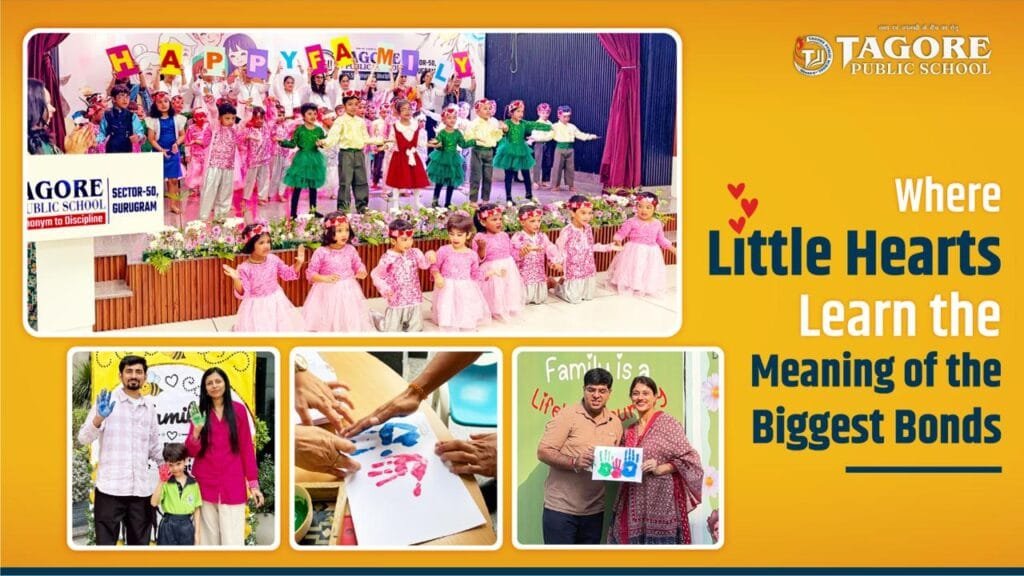
For a child, family is often where the first experiences of love, care, belonging and relationships begin. The people around them shape how they understand relationships, express emotions and respond to others. At Tagore Public School, Sector 50, Gurugram, we believe that these values deserve a meaningful place in a child’s early learning journey. This belief came alive through our “My Loving Family” theme, where our young learners explored the meaning of family through music, dance, drama and interactive activities. More than a celebration, it gave children an opportunity to recognise the people who matter to them, express their feelings and understand the importance of love, care, respect and togetherness. Why Children Need to Understand the Importance of Family Children experience love every day, but they may not always have the words or opportunities to express what those relationships mean to them. Parents, family members, friends and teachers are all part of a child’s world, and helping children recognise these relationships is an important part of growing up. When children begin to understand the people who care for them, they also begin to appreciate values such as kindness, respect, gratitude and togetherness. These are simple but meaningful ideas that children can explore through experiences that feel familiar to them. The theme “My Loving Family” gave our students an opportunity to explore these very ideas. Through their performances, they highlighted the special bonds they share with parents, family members, friends and teachers. The theme brought attention to the understanding that a happy family is built on love, understanding, respect and togetherness. Making Values Meaningful Through Experience At Tagore Public School, we believe children understand values better when they are given opportunities to experience and express them. Instead of simply telling children that family is important, we created an experience around the theme “My Loving Family” that allowed our young learners to explore the idea in a way that felt familiar to them. Music, dance, drama and interactive activities became different ways for children to express their understanding of love, care and togetherness. The experience also gave them a platform to showcase their confidence, creativity and talents. The idea was simple. When children are encouraged to think about and express the relationships they know and value, they get an opportunity to look at those relationships with greater awareness. Helping Children Put Their Feelings Into Words and Actions One of the meaningful ways of exploring the theme was through a skit centred around family relationships. The children portrayed simple situations highlighting the bond between parents and children and the importance of spending meaningful time with loved ones. Through their expressions and acting, they communicated the warmth and care associated with family relationships. For young learners, expressing an idea through a story or role play gives them a way to connect with something they already know. Instead of explaining the importance of family only through words, the children had an opportunity to represent relationships that were already familiar to them. This is where the learning becomes personal. A child speaking about a loved one, taking part in a family-based story or participating with classmates is given an opportunity to explore emotions and relationships through an experience they can understand. Creating Opportunities for Children and Parents to Connect Understanding family values also means creating opportunities for children and parents to share experiences. The Parents’ Activity became an important part of the “My Loving Family” experience because it brought parents into the children’s learning environment. Parents participated alongside their children, creating moments of laughter, connection and shared happiness. For children, these moments can carry meaning beyond the activity itself. Having their parents participate and share the experience allows children to feel that the people they love are also a part of their school journey. For parents, it offers an opportunity to see their children participate, express themselves and engage with their peers. At Tagore Public School, we value this connection because a child’s learning journey becomes richer when school and family come together. Helping Children Celebrate Love, Gratitude and Togetherness The theme of “My Loving Family” also encouraged children to think beyond the immediate idea of family and recognise the different relationships that contribute to their everyday lives. The children highlighted their bonds with parents, family members, friends and teachers, bringing out the importance of love, understanding, respect and togetherness. These values can shape the way children interact with the people around them. Recognising the care they receive can also help children understand the importance of showing care and respect in return. That is why we believe that teaching children about love and care should not be restricted to a single lesson. It can become part of the experiences they have at school, the activities they participate in and the opportunities they receive to express themselves. When Children Learn Through Music, Movement and Expression Young children communicate in many ways. Sometimes it is through words, sometimes through movement, expressions, music or simply participating alongside their friends. The “My Loving Family” experience brought these different forms of expression together. The welcome song and dance created an energetic beginning, while the children’s performances allowed them to explore the theme through movement and drama. A special musical performance by Mayank Sir added another element to the experience, bringing rhythm and energy to the celebration. The Grand Finale brought the young learners together, with their performance reflecting the themes of love, unity, gratitude and togetherness. The purpose was not simply to put children on a stage. It was to give them different avenues through which they could participate, express themselves and connect with the central idea. At Tagore Public School, Values Are Part of the Learning Journey Family is one of the closest and most familiar parts of a child’s world. When children are given opportunities to understand and appreciate their loved ones, they get a chance to recognise the relationships that make them feel cared for and supported. At Tagore Public School, Sector 50, Gurugram, we believe these


