




Anti-Bullying Workshop and Student Well-being: Helping Students Build a Kinder School Community
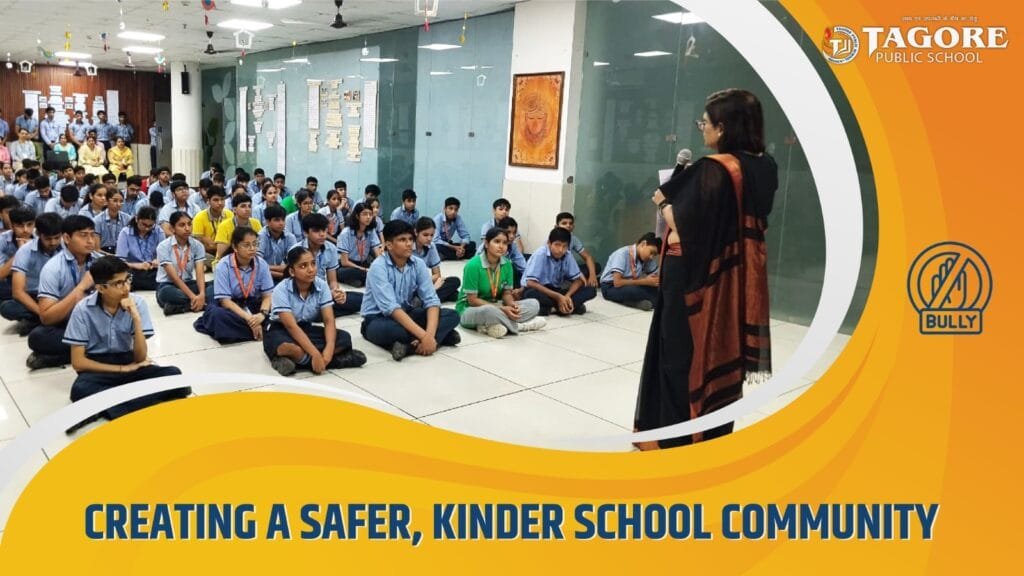
The senior school years are a time of significant change. Students are becoming more independent, navigating new friendships, managing academic expectations and forming stronger opinions about themselves and the world around them. At the same time, much of their social interaction now extends beyond the classroom and into digital spaces. This makes conversations around bullying, emotional well-being, peer pressure and responsible behaviour particularly important for students in Grades 9 to 12. At Tagore Public School, Sector 50, Nirvana Country, Gurugram, we believe that preparing students for the future involves more than academic knowledge. It also means helping them understand relationships, recognise unhealthy behaviour, respect individual differences and develop the confidence to make responsible choices. Our Anti-Bullying and Student Well-being Workshop for students of Grades 9 to 12 provided an opportunity to explore these issues through relatable situations, meaningful conversations and real-life examples. Rather than viewing bullying simply as an isolated incident, the discussion encouraged students to consider the larger emotional environment they help create through their everyday words, choices and actions. Understanding Bullying Beyond Physical Aggression Bullying is often associated with physical aggression, but the reality is much broader. Some forms of bullying can be difficult to identify because they may appear as jokes, casual comments or ordinary peer interactions. Physical, Verbal and Social Bullying Students explored different forms of bullying, including physical, verbal and social behaviour. Physical bullying can involve aggression or intimidation, while verbal bullying may include repeated insults, mocking, threats or comments intended to humiliate another person. Social bullying can be less visible. Deliberately excluding someone, spreading rumours, turning a peer group against an individual or repeatedly making someone feel unwelcome can affect a student’s confidence and sense of belonging just as deeply. The workshop encouraged students to look beyond the intention behind an action and consider its impact. A person may describe something as “just a joke”, but if the same behaviour repeatedly causes embarrassment, distress or isolation, it deserves to be taken seriously. Recognising this difference is an important part of bullying prevention in schools. Students need to understand not only what bullying looks like, but also when everyday interactions cross the line from harmless disagreement into behaviour that can cause genuine harm. Why Student Well-being Matters in Senior School For students in Grades 9 to 12, school life can involve several pressures at once. Academic expectations and examinations are accompanied by changing friendships, social comparison, concerns about appearance, peer expectations and the growing pressure to make decisions about the future. Making Space for Conversations That Matter The workshop opened discussions around peer pressure, toxic friendships, body shaming, comparison, academic stress, emotional struggles and personal boundaries. These conversations matter because not every challenge a student experiences is immediately visible to a teacher, parent or friend. A student who appears confident in the classroom may still be struggling with comparison or pressure within a peer group. Similarly, a friendship that looks normal from the outside may become unhealthy when it involves manipulation, humiliation or constant pressure to behave in a certain way. Helping students identify these situations gives them greater awareness of their own well-being and the well-being of those around them. At Tagore Public School, we see this awareness as an important part of education. Students should be able to pursue academic goals while also understanding how to manage relationships, communicate boundaries and seek support when they need it. Cyberbullying and the Responsibility That Comes With Being Online For today’s students, the boundaries between school life and online life are increasingly fluid. A disagreement that begins among classmates can continue through messaging platforms or social media, while a hurtful comment or image can potentially reach a much larger audience within minutes. Responsible Digital Behaviour Begins With Awareness The workshop therefore addressed cyberbullying and responsible digital behaviour, encouraging students to think carefully about how they communicate online. Cyberbullying can take different forms, including online harassment, hurtful messages, deliberate exclusion from digital groups, sharing embarrassing content or spreading rumours through online platforms. Because digital content can be shared quickly and may remain accessible, the consequences can extend far beyond the original interaction. Students were encouraged to think before they post, comment, forward or share. Responsible digital behaviour is not simply about knowing what technology can do. It is about understanding what our choices can do to another person. For senior school students who are becoming increasingly independent online, this distinction is especially important. Peer Pressure, Friendships and Personal Boundaries The desire to belong is a natural part of growing up. However, the need for acceptance can sometimes make students uncomfortable saying no or speaking up when something does not feel right. Knowing When a Situation Is Unhealthy Students were encouraged to recognise unhealthy friendship dynamics and understand the importance of personal boundaries. A healthy friendship allows people to disagree, express themselves and make individual choices without fear of ridicule or rejection. Peer pressure becomes problematic when students feel compelled to participate in something they are uncomfortable with simply because they fear being excluded or judged. Understanding personal boundaries helps students recognise that respecting others also means respecting their right to make their own choices. It gives them the confidence to step away from situations that do not feel appropriate and to seek help from a trusted adult when necessary. The Bystander Has a Choice Too A particularly important part of the discussion focused on students who witness bullying. A student does not have to be the person being bullied or the person responsible for the behaviour to influence what happens next. When others remain silent, laugh along or participate indirectly, harmful behaviour can gain acceptance within a group. From Bystanders to Upstanders This is where anti-bullying education becomes closely connected to leadership. At Tagore Public School, we believe leadership is not defined only by academic achievement, positions of responsibility or participation in school activities. It is also reflected in everyday choices. Having the courage to speak up, showing empathy when someone is struggling and refusing to


