Awarded Bronze Medal from GLOBAL SCHOOL ALLIANCE

DISCOVER A
WORLD OF
LEARNING &
GROWTH

For the Session 2026-2027

A Project of Responsibility and Care:

A PBL on welcome to our house

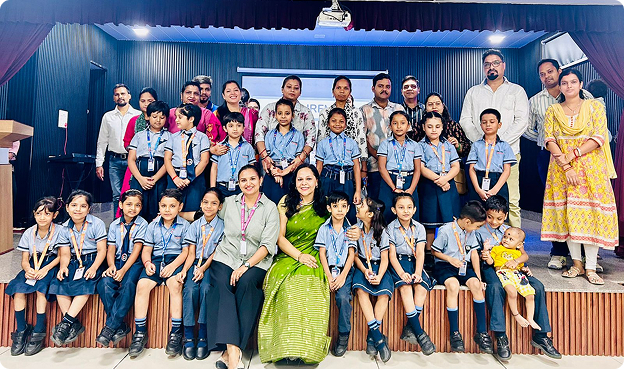
Grade 1 learners explore how to become cleaning experts of their home.

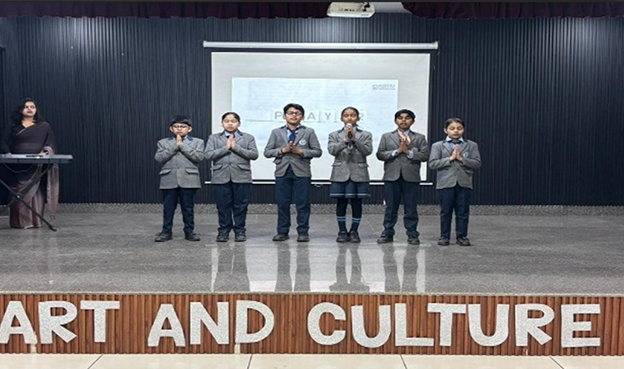
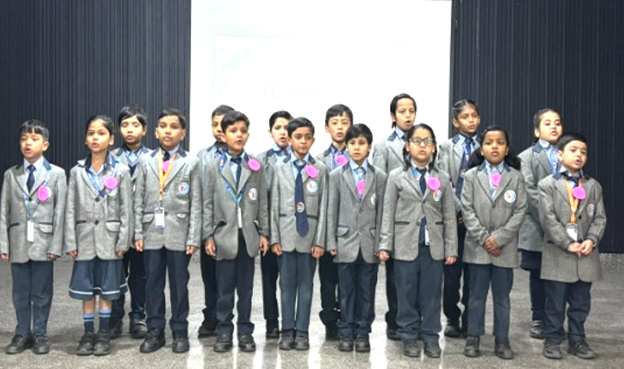
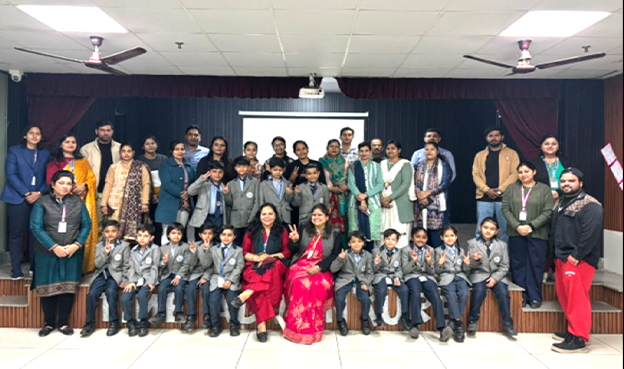
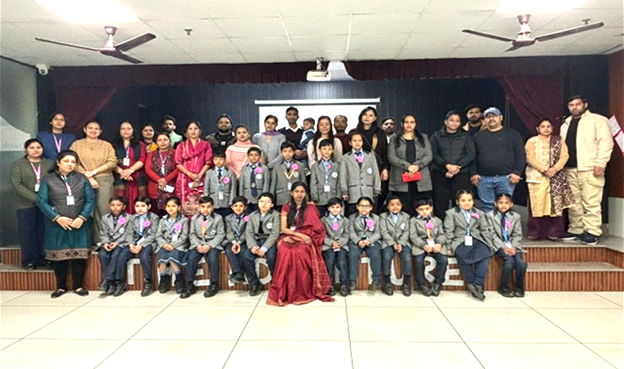
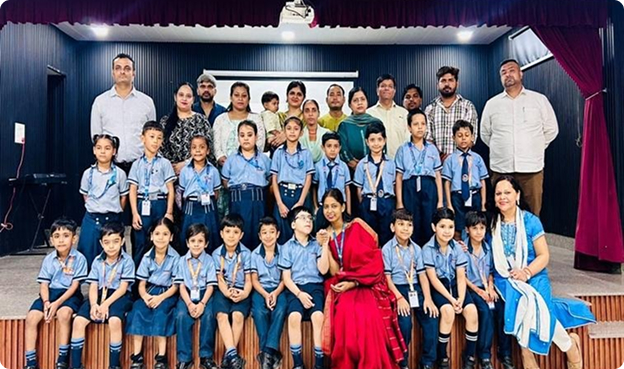
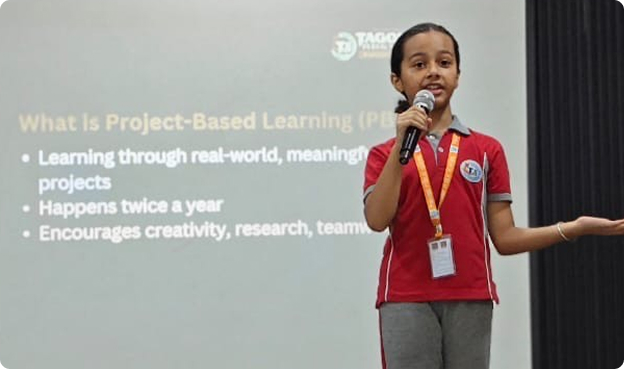
Grade 1 at Tagore Public School celebrated the culmination of their Project-Based Learning journey on the theme Welcome to Our House with a vibrant event that highlighted creativity, confidence and teamwork. The programme began with students chanting the Gayatri Mantra, setting a calm and positive tone.

Read More


The young learners shared their understanding of different types of houses, the various rooms and the importance of cleanliness and organisation. As part of the project, they cleaned their classroom, visited the school office area and cared for indoor plants. At home, students completed simple cleaning tasks and documented their efforts through before and after photographs. Their creativity was also showcased through cardboard house models and clay-crafted miniature household items.

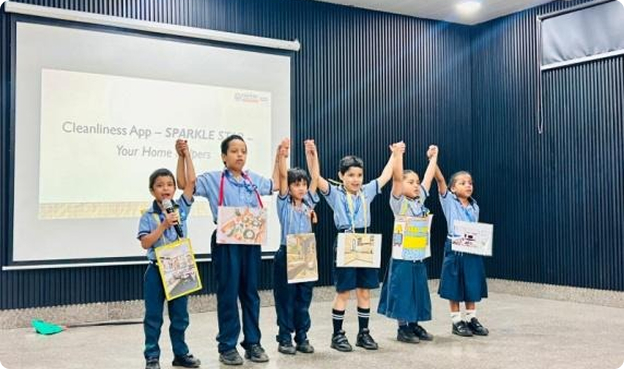
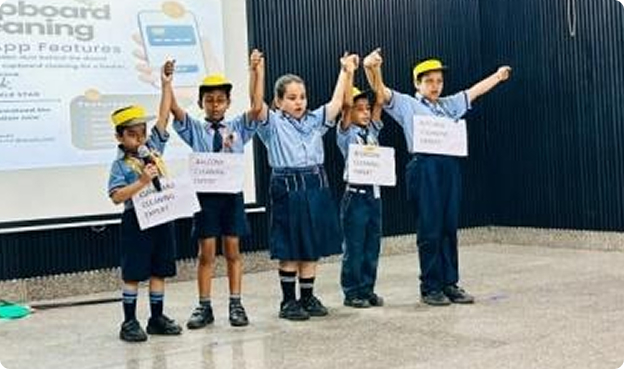
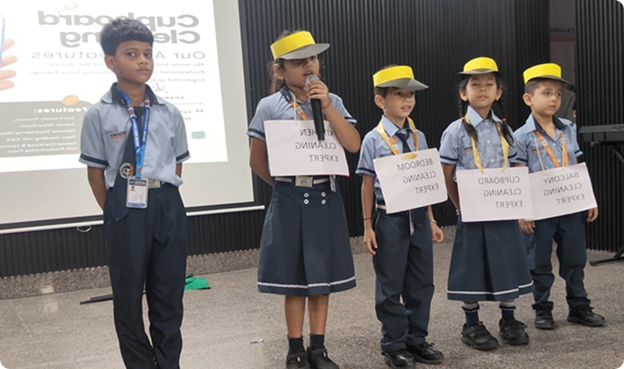
A key highlight was the student-created cleaning app Sparkle Squad, designed to offer cleaning services for cupboards, balconies, bedrooms and kitchens in a fun and engaging way.

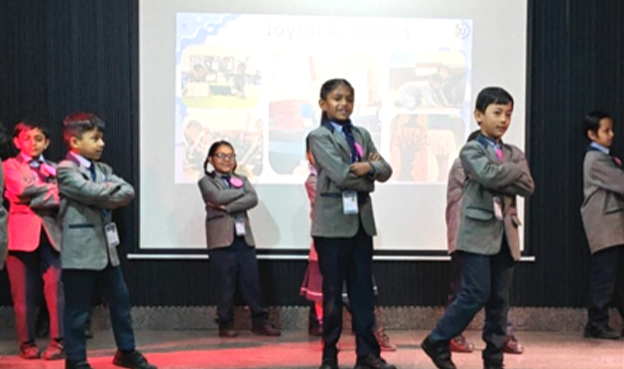
The programme concluded with a lively cleanliness-themed dance performance. The Welcome to Our House PBL helped students connect practical experiences with classroom learning while nurturing responsibility, teamwork and care in everyday life.

Read Less
From Estimation to Accuracy:

A PBL on Measurement

Grade 2 learners explore how measurement helps in designing a train model.

On 28th July 2025, the young learners of Grade 2 at Tagore Public School celebrated the culmination of their Project-Based Learning (PBL) journey on the topic of ‘Measurement’ with a vibrant and inspiring programme that showcased their creativity, confidence, and collaborative spirit. The event commenced on a spiritual note.

Read More


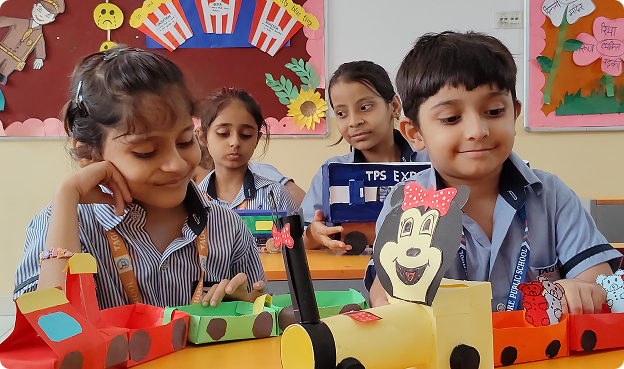
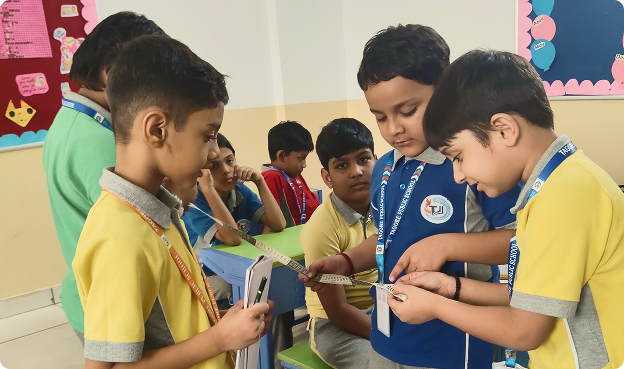
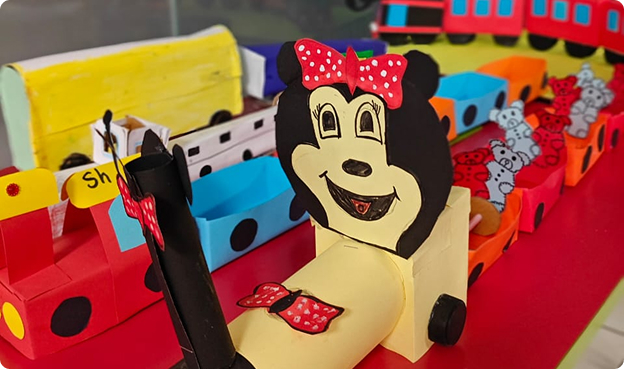
with the students beautifully chanting the Gayatri Mantra, setting a calm and positive atmosphere for the day. Following this, the students eagerly shared their experiential journey through the PBL project. They explained how they practically applied measurement concepts using rulers to measure length, weighing scales to understand weight, and measuring cups for capacity. Engaging materials such as cardboard boxes, bottle caps, and kitchen rolls were creatively transformed into parts of their train models, demonstrating both ingenuity and hands-on learning.

A highlight of the presentation was when students recounted their educational visit to the Rail Museum, which provided them with real-world insights into trains and the importance of measurement in daily life. This enriching experience inspired the class to envision and create their very own Mini Train Museum, blending their newfound knowledge with imaginative play.

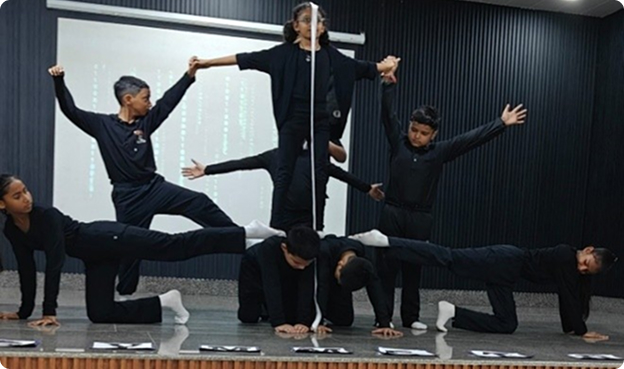
To conclude the event on a joyous and energetic note, the students performed a lively dance themed around Measurement, incorporating song and movement to bring mathematical concepts to life in a memorable and enjoyable way.

The Grade 2 PBL on Measurement proved to be much more than an academic exercise; it was a powerful journey of discovery that connected classroom learning with real-world applications. Through exploration, creativity, and collaboration, the students realized that measurement is not just a mathematical principle but an essential part of everyday experiences.

Read Less
From Patterns to Perspectives:

A PBL on Historical Monuments, Patterns, and Symmetry

Grade IV Learners Explore Symmetry and Design in Iconic Structures.

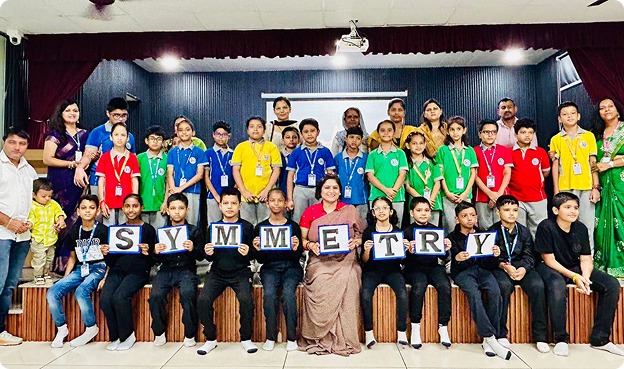
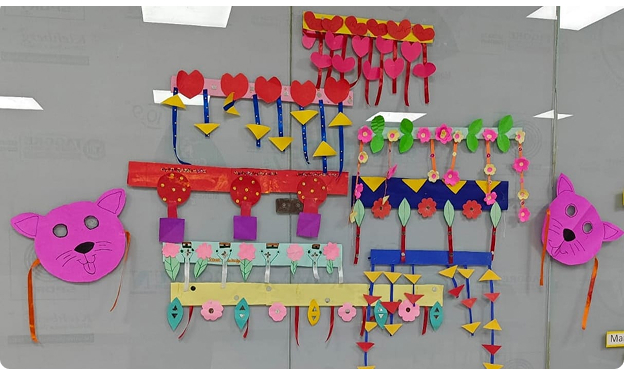
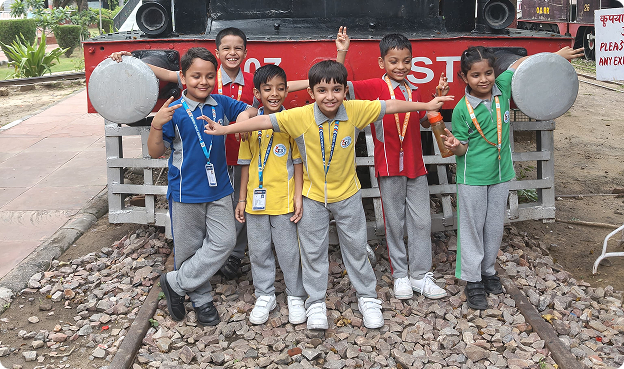
The event opened with a warm welcome by the students, followed by an engaging walkthrough of their learning journey on patterns and symmetry in architecture. They shared how they explored these concepts during their field trip to India Gate and through hands-on activities such as toran making, symmetrical mask designing, and

Read More

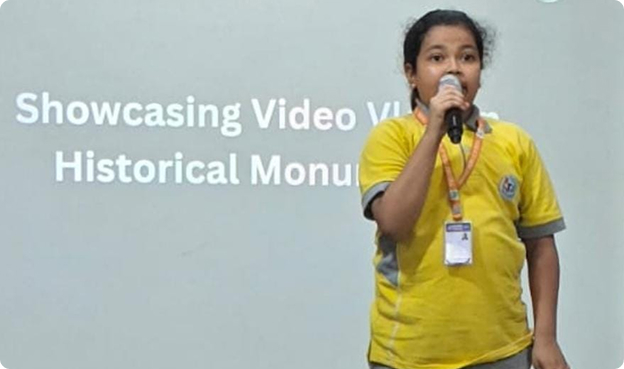
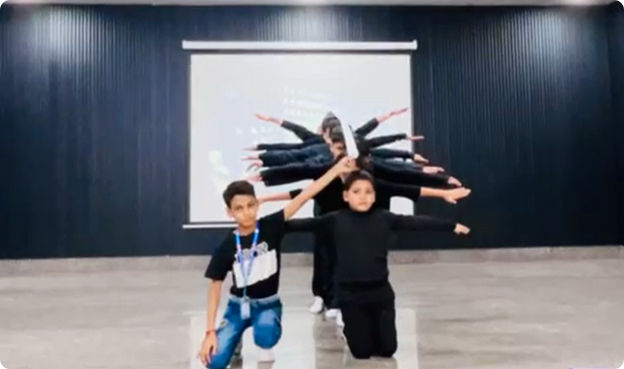
quilt pattern creation. A classroom presentation helped them connect these experiences to well-known historical monuments. A key highlight was the student-created video vlogs on iconic Indian monuments including the Taj Mahal, India Gate, Charminar, Red Fort and Gateway of India. Their reflections showcased a strong understanding of symmetry and patterns in architectural design. The programme also featured a lively symmetry themed dance performance and a fun quiz for parents that encouraged participation and added excitement. The event concluded with students proudly presenting their vlogs and displays, marking a meaningful end to a creative learning journey that blended mathematics, art and real-world exploration.

Read Less
From Questions to Decisions:

A PBL on Data Handling

Grade 5 learners explore how data helps in making real-life decisions.

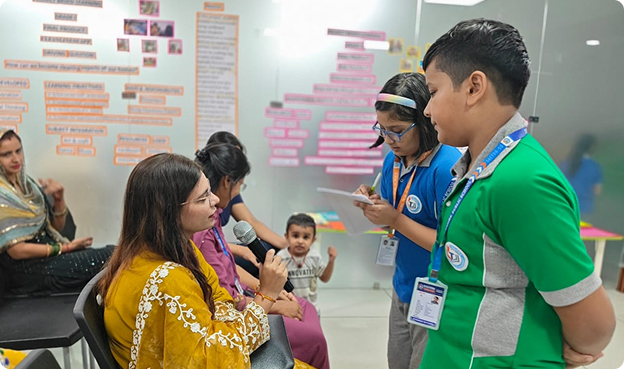
Grade 5 celebrated the culmination of their Project-Based Learning journey on Data Handling through a lively and engaging assembly that highlighted analytical thinking, collaboration and creativity. The morning began with the chanting of the Gayatri Mantra, creating a calm start to the showcase

Read More


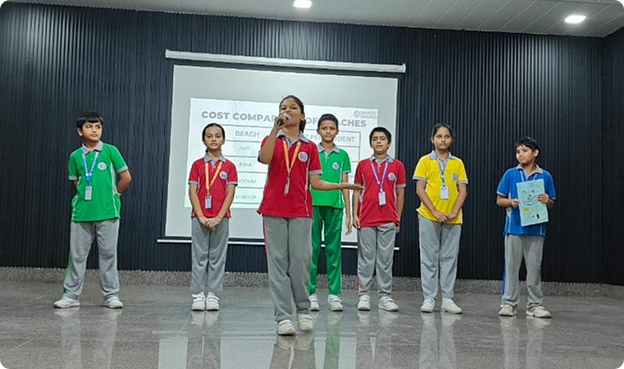
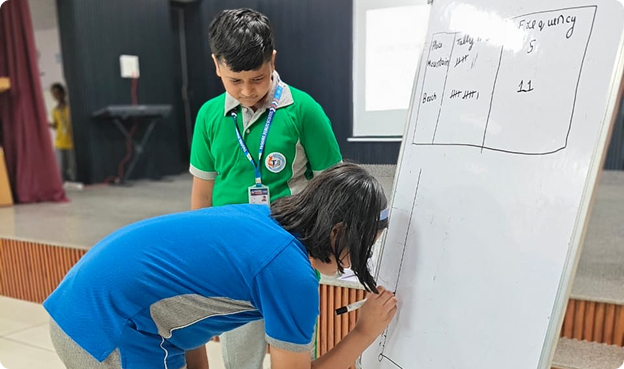
Students shared how they explored data through a real-life situation of planning a class trip. They collected preferences on mountains or beaches, represented the responses using tally marks and pictographs and later extended the survey to other classes. A Google Form with 15 beach destinations helped them gather more detailed responses, which they organised and analysed to shortlist the top five options.

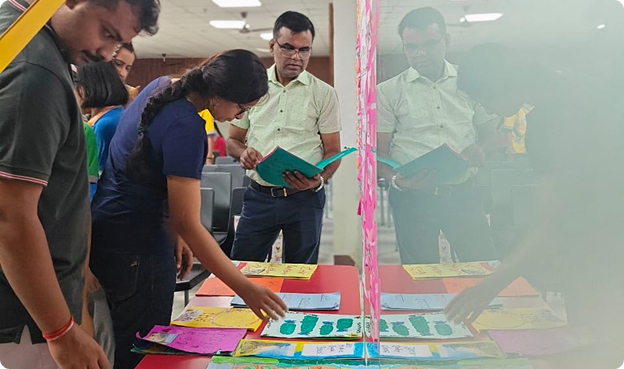
Research groups were then formed to study each shortlisted destination in terms of travel logistics, budgeting, food, accommodation and attractions. These findings were presented through student-created travel brochures that reflected strong skills in research, presentation and teamwork.

When responses from parents showed that the trip cost was too high, students proposed an alternative: an overnight in-school trip filled with games, a bonfire, a movie night and memorable experiences for everyone.

The showcase concluded with a live activity where parents gave their preference between mountains or beaches. Students instantly recorded the responses using tally marks and presented the corresponding bar graph on the spot, demonstrating their understanding of data collection and representation.

The PBL on Data Handling became a journey of decision-making, problem-solving and collaboration, showing students that mathematics is not limited to textbooks but is a practical tool for making thoughtful choices in everyday life.

Read Less
From Circuits to Innovation:

A PBL on Electric Current and Its Effects

Grade 7 learners explore how electricity powers real-world creations

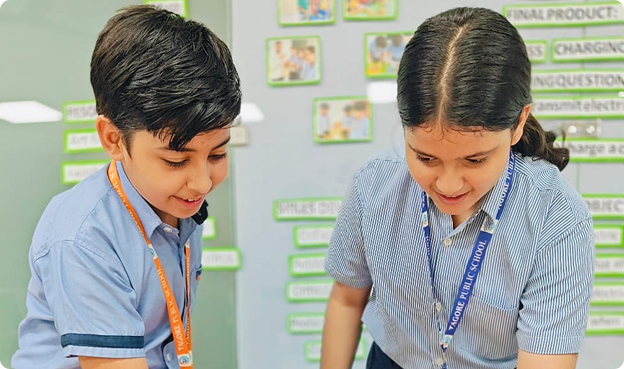
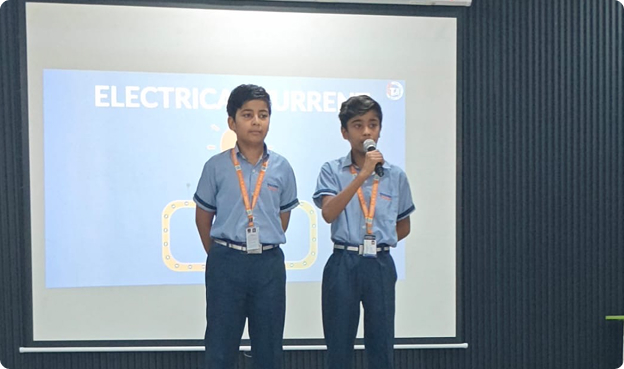
Grade 7 actively participated in a Project-Based Learning session on Electric Current and Its Effects, where hands-on experiments and teamwork helped transform classroom concepts into practical applications.

Read More


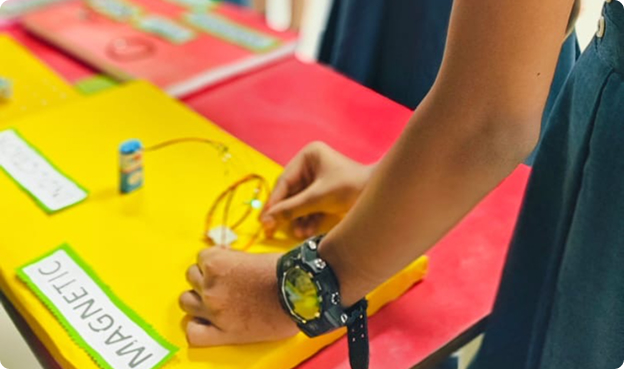
The session began with an energetic ice-breaker followed by guiding questions that sparked curiosity about electric current and its uses. A prayer set a positive tone before students explored the fundamentals of electricity, including its sources, requirements and the components needed for current flow. Through simple activities, they observed open and closed circuits and understood the immediate effects of current.

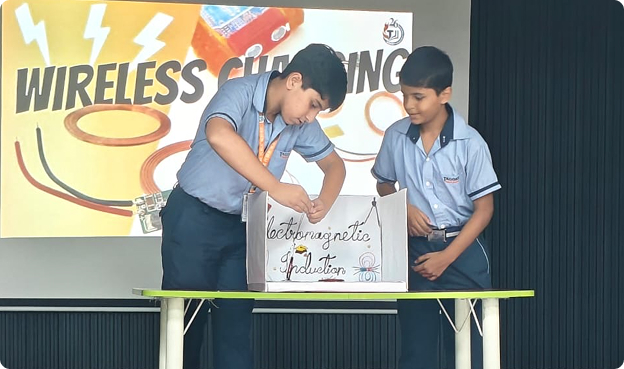
Building on this foundation, students experimented with the heating effect of current using nichrome wire and created their own electromagnets. These activities prepared them for the highlight of the project: designing an innovative wireless charger as the final product. Students also developed a water sensor tap, demonstrating how electrical concepts can be applied to solve everyday problems.
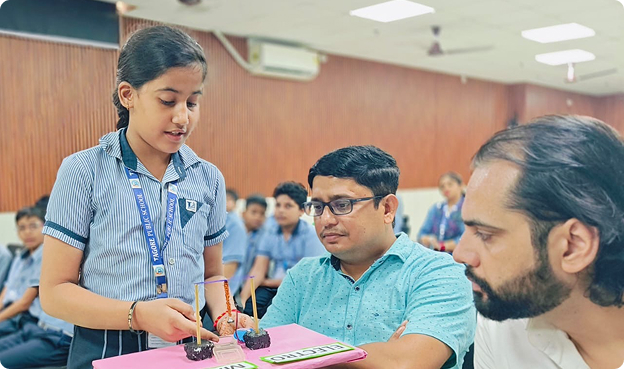
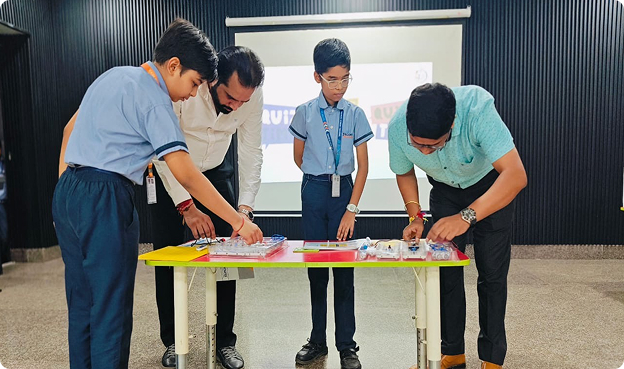
Parents joined the session through a circuit-completion activity, collaborating with students to test and complete simple circuits. A quiz added a fun, interactive element that reinforced learning and engagement.

This PBL experience strengthened scientific understanding while fostering creativity, collaboration and problem-solving. The creation of the wireless charger stood as a proud example of how students can connect theory with innovation through hands-on learning.
Read Less