


Cultural knowledge is often taught through chapters, dates, and descriptions. Students may remember names of states, art forms, and monuments, yet still struggle to understand what they truly represent. Real understanding develops when learners interact with culture instead of only reading about it.
When students create, observe, and present cultural ideas themselves, information becomes meaningful. Traditions stop being facts to memorise and become experiences to connect with. This is where project-based learning changes how students perceive subjects related to society and heritage.
At Tagore Public School in Sector 50, Gurugram, learning is designed so students can explore ideas practically and relate them to everyday life. The aim is not only to know culture but to recognise how different traditions still share a common spirit, supporting holistic education in schools.
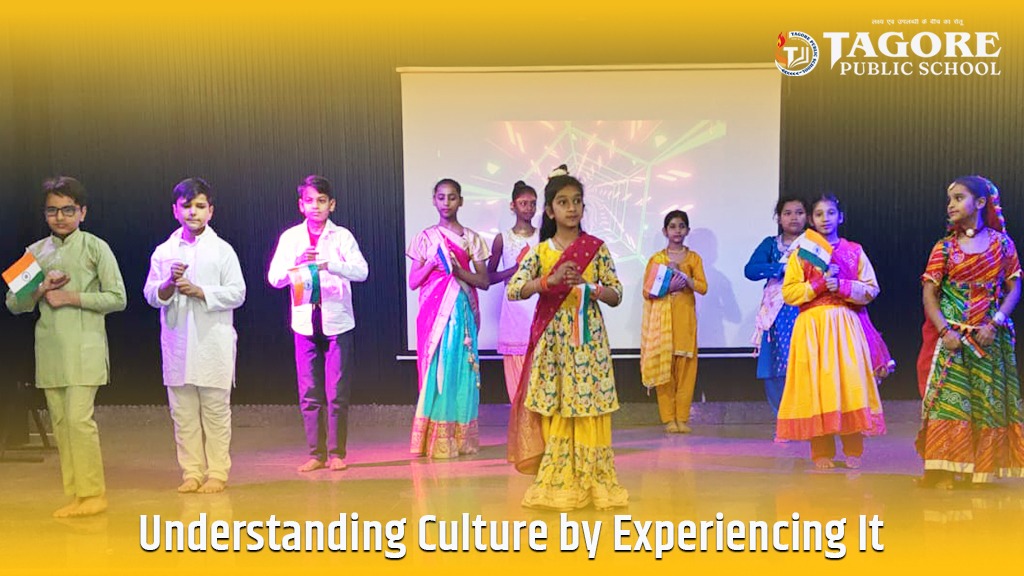
One such learning experience unfolded during the project “Bharat: A Cultural Kaleidoscope”. Through a series of explorations, students observed how traditions across regions differ in appearance yet reflect similar values. Instead of studying unity in diversity as an idea, they experienced it step by step.
Stories Hidden Inside Art
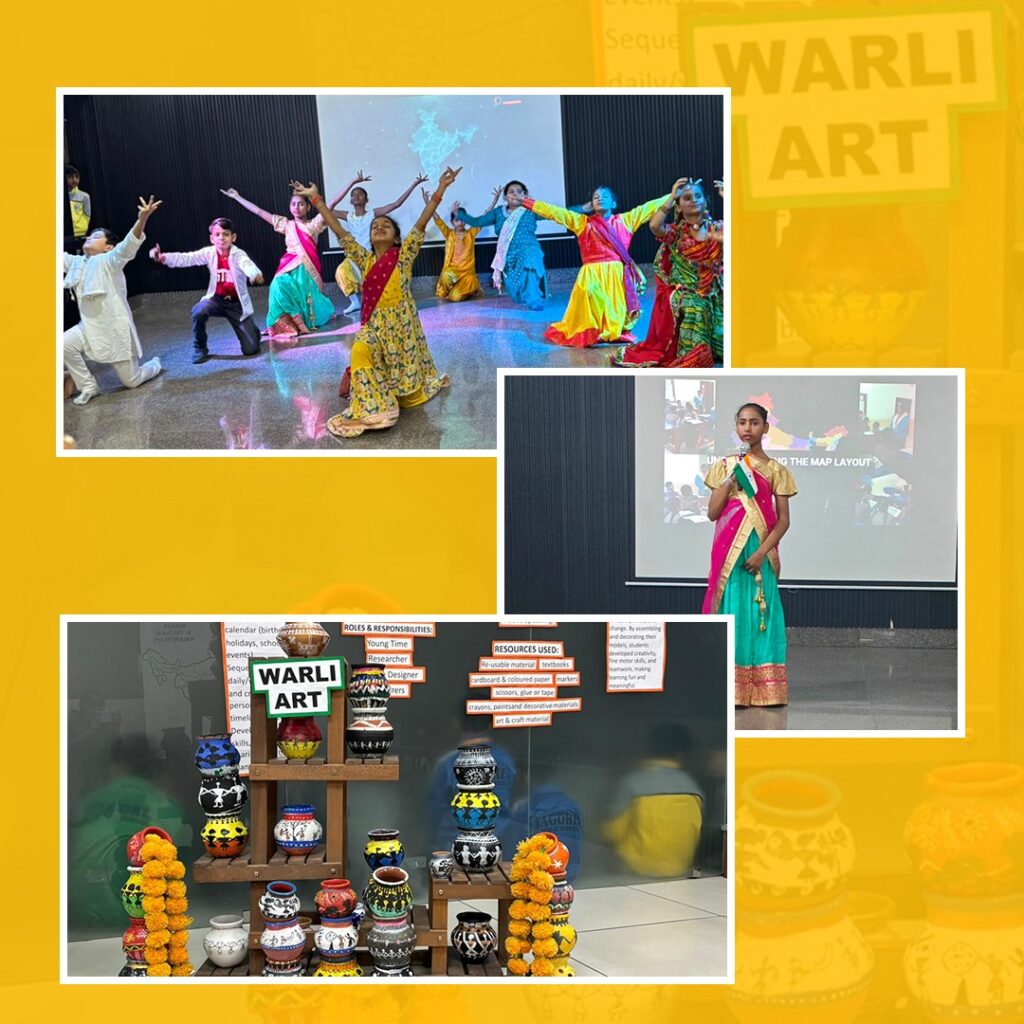
The exploration started with traditional art forms. While working with Warli art from Maharashtra, students noticed how simple figures showed farming, dancing, and daily routines. The drawings looked minimal, yet they described an entire lifestyle connected to nature.
Soon after, they observed Madhubani painting from Bihar. Here, the patterns were denser, filled with bright colours and detailed borders. At first, the two styles seemed completely different. One used simple geometry, the other intricate decoration.
But as students compared them, they discovered something interesting. Both showed community life, celebrations, animals, and surroundings. The styles changed, the expression remained similar. This comparison strengthened conceptual understanding and helped students see how cultures express shared values in different ways.
Monuments as Voices of History
After understanding culture through everyday life, students began noticing how the same identity appears in historical spaces as well. While painting monuments, they began discussing why they were built and what they represented. A monument was no longer just an image to colour but a sign of people, time, and purpose.
They noticed how architecture varied across regions yet carried the same intention of preserving memory. Different materials and designs still served a shared idea of remembrance and identity, helping students connect history with human effort rather than memorised facts.
When the Map Became Meaningful
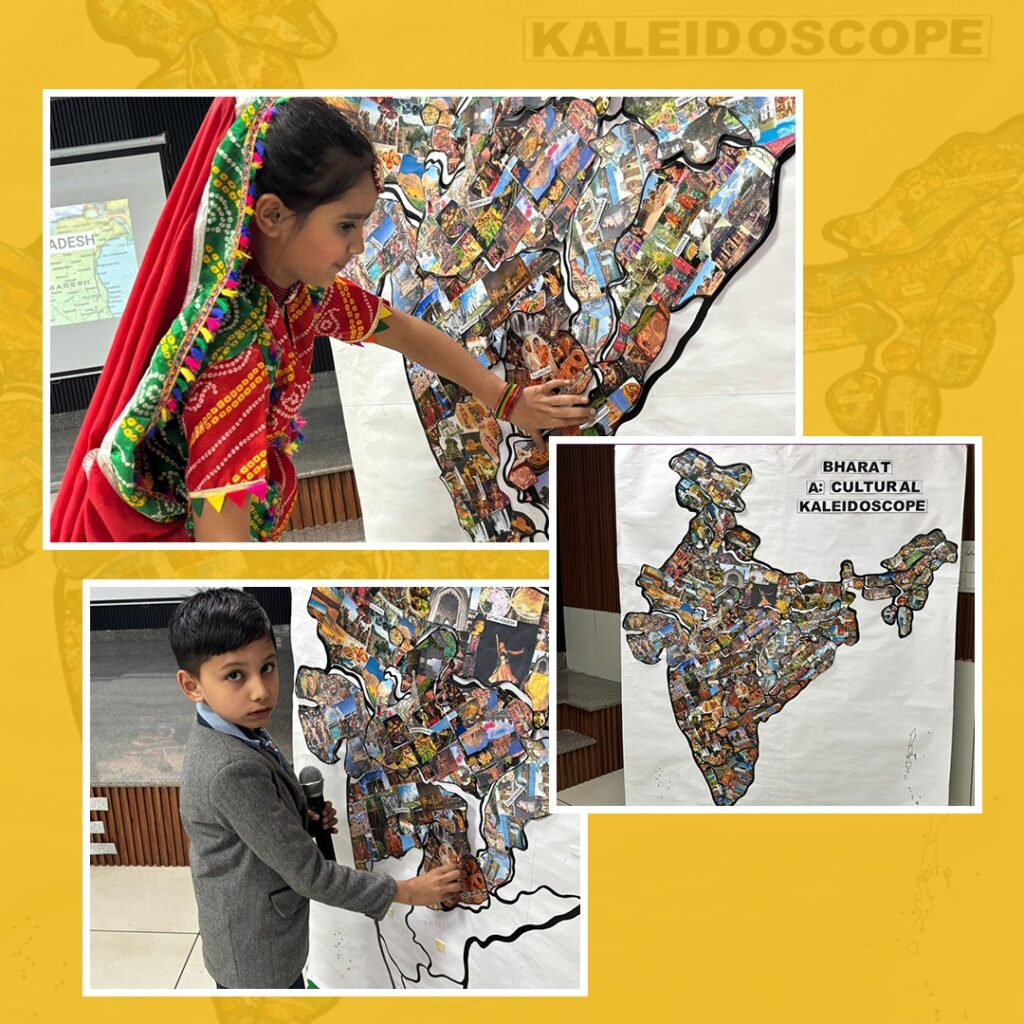
The biggest shift happened while working on the map. Instead of labelling locations, students placed food, clothing, festivals, and symbols across different states. Gradually, the map stopped looking like divided sections and started looking like a connected picture.
A festival in one state reminded them of a celebration in another. A traditional attire from one region resembled patterns from somewhere else. Without being told, they understood that difference does not separate cultures; it defines them. Learning moved beyond classroom theory into visible understanding.
Sharing Discoveries
When students presented their work, they were not recalling information but retracing the journey they had experienced. One group spoke about how Warli and Madhubani looked different yet conveyed similar themes. Another connected monuments with local traditions.
Listening to each other helped them build a complete image of the country. Each presentation added a new piece, and together they formed one understanding. This process also supported confidence-building and communication skills as students expressed ideas in their own words.
Learning Beyond the Classroom
Because the learning came from observation, the conversations continued beyond school as well. Families participated in discussions and even quizzes related to unity. The learning felt shared, not assigned. Students spoke with ownership because they had discovered ideas themselves.
Such experiences contribute to the overall development of students as learning connects school knowledge with daily life and interaction.
Seeing Unity Clearly
By the end of the experience, unity was no longer an idea explained by a teacher. Students had seen it through art, architecture, geography, and traditions. They recognised that variety did not divide the nation but shaped its identity.
They began to describe the country not as many separate cultures but as many expressions of one culture.
A Lasting Understanding
Experiences remain longer than definitions. Students remember comparisons they made and connections they noticed. The concept stays because it was observed, not instructed.
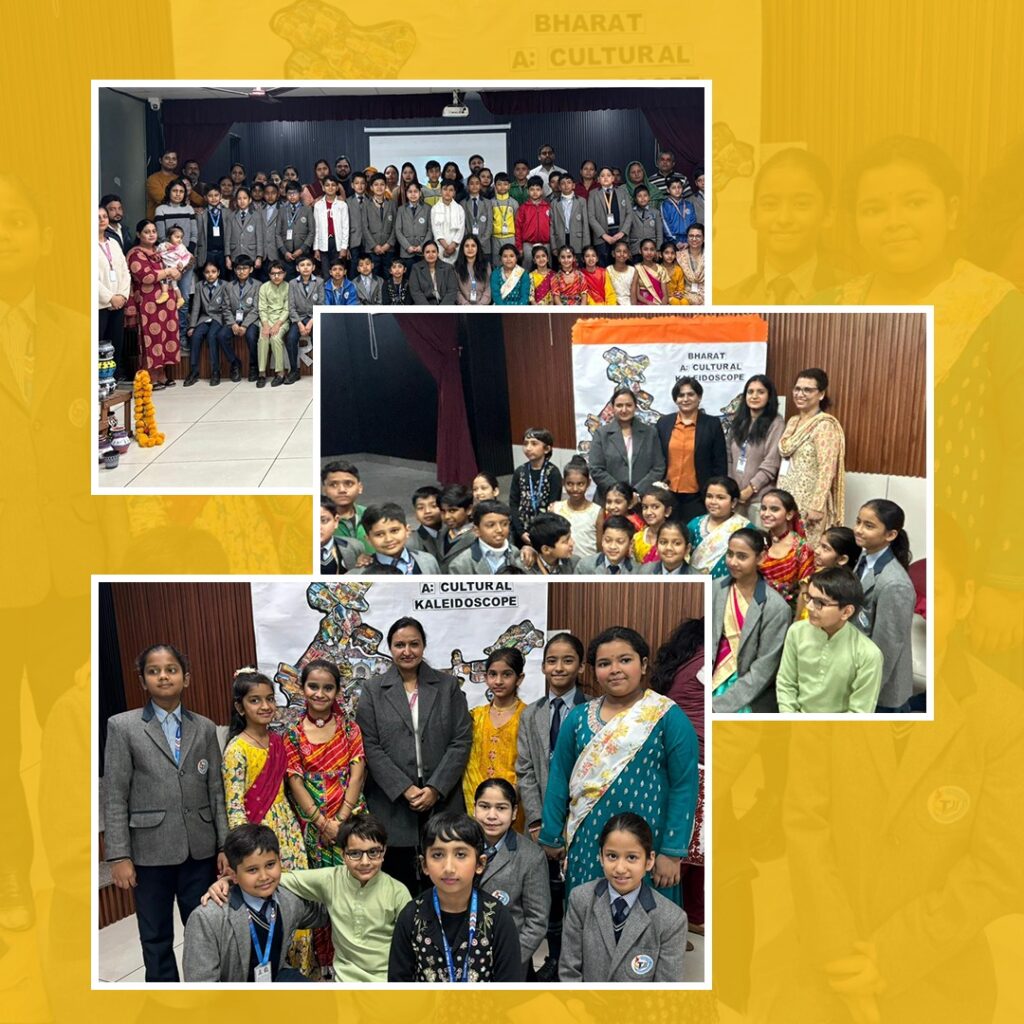
At Tagore Public School in Sector 50, Gurugram, project-based learning supports holistic development by helping students understand unity in diversity through participation. We continue to encourage learning that connects knowledge with real meaning and respect.


