




Why Our Heritage Matters: Building Stronger, Rooted Minds in Young Learners
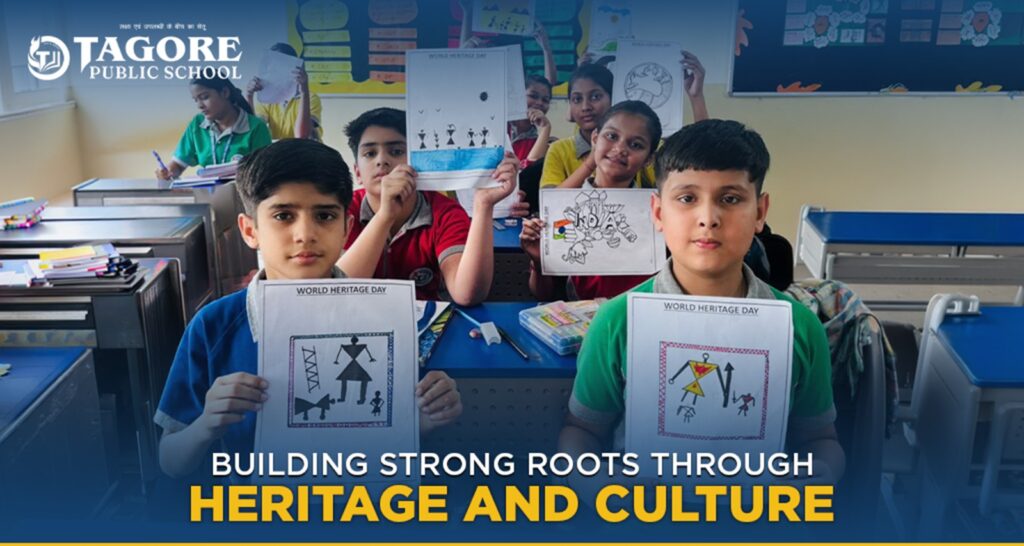
In a rapidly changing world where children are constantly exposed to global influences, staying connected to one’s roots becomes more important than ever. Heritage is not limited to festivals or traditional practices. It is deeply connected to identity, values, and a sense of belonging that shapes how a child understands the world. At Tagore Public School, heritage is not treated as something that exists only in textbooks. It is brought to life through experiences, celebrations, and participation, ensuring that students do not just learn about culture but feel connected to it. Why Heritage Plays a Crucial Role in a Child’s Development Building Identity and Self Awareness Children who understand their cultural background develop a stronger sense of identity. When they are aware of their traditions, languages, and customs, they grow with a sense of clarity about who they are. This awareness builds confidence and helps them navigate different environments without feeling disconnected. Rather than seeing culture as something distant, students begin to carry their roots with pride, which reflects in their personality and interactions. Instilling Values Through Culture Heritage naturally introduces children to values that shape their character. Respect, gratitude, community bonding, and empathy are deeply rooted in cultural practices and traditions. When students actively participate in celebrations and cultural experiences, these values are not taught in isolation. They are understood in context and become a part of everyday behavior. This makes learning more meaningful and long lasting. Creating Emotional and Social Connection Heritage also plays an important role in building emotional and social connections among students. Celebrations and shared cultural experiences bring students together, creating a sense of unity and belonging within the school environment. These moments go beyond learning. They help students connect with each other, understand diversity, and appreciate different traditions while feeling rooted in their own. Another important outcome of engaging with heritage at an early age is the sense of curiosity it builds in students. When children are exposed to stories, traditions, and cultural practices in an interactive way, they begin to ask questions and explore deeper meanings on their own. This curiosity often extends beyond the classroom, encouraging conversations at home and strengthening the connection between generations. Students start discussing festivals, traditions, and cultural practices with their families, which creates a shared learning experience that goes beyond school boundaries. Over time, this not only reinforces their understanding but also helps preserve cultural knowledge within families. Such engagement ensures that heritage is not treated as something static or outdated, but as a living, evolving part of everyday life. By creating these touchpoints, schools play a key role in ensuring that children do not just inherit culture passively but actively engage with it, question it, and carry it forward with awareness and pride. How Tagore Public School Brings Heritage to Life Celebrating Heritage Day in School At Tagore Public School, World Heritage Day is celebrated as an immersive experience that connects students with India’s rich cultural and natural legacy. The celebration is designed to create awareness while also instilling a sense of pride and responsibility towards preserving heritage. Through initiatives like the ‘Shaan-e-Hindustan’ art experience, students explore various aspects of India’s heritage, including nature, traditions, monuments, art forms, and cultural expressions. Their creativity reflects how they perceive and connect with the diversity of the country. The atmosphere of the celebration carries a strong sense of patriotic spirit, encouraging students to see heritage as something living and evolving rather than something confined to the past. It helps them understand that preserving culture is a shared responsibility that extends into the future. Celebrating Baisakhi: Learning Through Participation The celebration of Baisakhi at Tagore Public School reflects the school’s approach of going beyond theoretical learning. Instead of limiting the festival to information in textbooks, students are encouraged to experience its meaning and significance firsthand. They are introduced to Baisakhi as a harvest festival and learn about its connection to agriculture, gratitude, and community life. This understanding helps them see the festival beyond surface level celebration and recognize its cultural importance across regions. The real impact comes through participation. With traditional music, cultural expressions, and an environment that reflects the spirit of the festival, students become a part of the celebration rather than just observers. This involvement allows them to connect emotionally with the festival and understand its relevance in a deeper way. As a result, festivals like Baisakhi are not seen as just another day or holiday. They become meaningful cultural experiences that stay with students and strengthen their connection to their roots. Bridging the Gap Between Modern Education and Tradition Modern education often focuses on academic achievement and skill development, but without cultural grounding, this learning remains incomplete. Heritage provides that balance by connecting knowledge with identity and values. At Tagore Public School, efforts are made to ensure that students grow not only as academically capable individuals but also as culturally aware and responsible citizens. By integrating heritage into learning experiences, the school bridges the gap between modern education and traditional values. Strong Roots Shape Confident Individuals Children who grow up with a strong understanding of their heritage tend to be more confident, respectful, and emotionally grounded. They are able to appreciate diversity while staying connected to their own identity. At Tagore Public School, this approach ensures that heritage is not something students remember occasionally. It becomes a part of their learning journey and personal growth. When children understand their roots, they move forward with clarity, confidence, and a deeper sense of belonging. Read More Blogs: Scholar Medallion & Proficiency Awards Ceremony 2026 Celebrating Student-Teacher Bonding: A Teacher’s Day Special Growing Confident Learners with Strong Values Parent-Teacher Meetings: A Vital Bridge to Build Trust and Transparency


