




Why Physical Education Is Essential for Child Development and Academic Performance in School
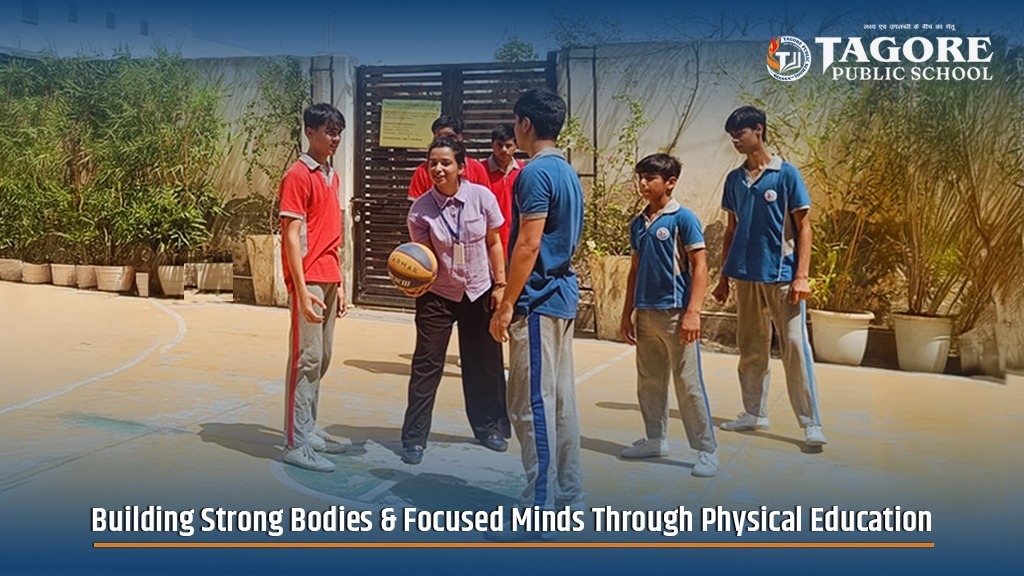
Children today are growing up in a world dominated by screens, packed schedules, and academic pressure. While academic learning forms the foundation of education, it cannot alone support a child’s physical health, mental clarity, and emotional balance. Parents increasingly look for holistic education where studies and physical activity develop together. Physical Education plays a crucial role in bridging this gap by ensuring that movement, fitness, and discipline remain a regular part of school life. At Tagore Public School in Sector 50, Gurugram, Physical Education is included as part of the daily routine to support balanced development. It is treated as an essential component that supports learning, focus, and overall well-being. Physical Education and the Modern School Routine School routines today involve long hours of sitting, structured lessons, and increasing use of digital tools. Without regular movement, students often experience fatigue, restlessness, and reduced concentration. Physical Education introduces structured activity into the school day, helping students reset physically and mentally. Regular participation improves energy levels and attentiveness. Students are better prepared to engage in classroom learning when physical movement becomes a daily habit rather than an occasional event. Addressing Excessive Screen Time One of the biggest concerns for parents today is excessive screen exposure. Prolonged use of mobile phones, tablets, and computers affects posture, eyesight, attention span, and overall health. Regular activity periods create dedicated time for outdoor movement within school hours, naturally encouraging children to stay active. As children participate regularly in sports, their reliance on screens for recreation gradually reduces, and healthier lifestyle habits begin to form beyond the classroom as well. Supporting Physical Growth During Key Development Years The growing years are critical for physical development. Regular physical activity strengthens muscles, supports bone health, improves flexibility, and builds endurance. Physical Education helps students develop coordination, balance, and physical confidence alongside academic skills. A physically active child is better equipped to manage daily routines and school demands. Improved stamina and posture also support sustained participation in classroom activities throughout the day. Mental Freshness and Emotional Stability Academic pressure and continuous screen exposure can lead to mental fatigue and reduced focus among students. Physical Education helps relieve stress and refresh the mind by encouraging movement and active engagement. After physical activity, students often return to classrooms calmer, more attentive, and ready to learn. Regular participation also supports emotional balance, improving confidence and self-control over time. At Tagore Public School in Sector 50, Gurugram, structured Physical Education periods are planned within the curriculum so students experience these mental refresh cycles during the school day itself, not only during occasional sports events. Impact on Learning and Academic Performance Physical activity has a direct influence on how effectively students learn. Children who engage regularly in structured physical activity show better concentration, improved memory retention, and stronger classroom discipline. Teachers commonly observe improved classroom engagement in physically active students. These benefits continue when supported at home as well. Short activity breaks between homework or screen use, even a brief walk after dinner, help children relax mentally and return to studies with better focus. Rather than taking time away from academics, Physical Education strengthens a student’s ability to learn by improving focus and mental readiness. Developing Discipline and Daily Structure Regular sports participation plays an important role in building discipline. Following instructions, adhering to schedules, and participating consistently in activities help students understand routine, responsibility, and self-control. These habits extend beyond the playground and reflect in academic behaviour, time management, and personal organisation, helping students balance studies and activities in a structured manner. Social Skills and Teamwork Through sports and group activities, Physical Education encourages interaction, cooperation, and teamwork. Students learn to communicate effectively, respect others, and work towards shared goals. These experiences build confidence, accountability, and social awareness, skills essential not only in school but throughout life. Final Words Physical Education is essential for a child’s overall growth in school. It supports physical fitness, reduces excessive screen time, refreshes the mind, builds discipline, and strengthens learning outcomes. When practised consistently, it helps students develop balanced habits that support both academic success and long-term well-being. At Tagore Public School in Sector 50, Gurugram, Physical Education remains a core element of holistic education, supporting the development of healthy, focused, and confident learners. Read More Blogs: 10 Practical Tips to Make CBSE School Admissions Smooth and Stress-Free Understanding the School Fees in Gurgaon: What Parents Should Know Confused About Schools in Gurgaon? Here’s the Top 10 You Should Know TPSG’s Three Pillars of Learning – Curiosity, Collaboration, & Excellence


